
Best Yarn for Beginners: Easy, Forgiving, Natural Fibers to Start Your Craft Journey
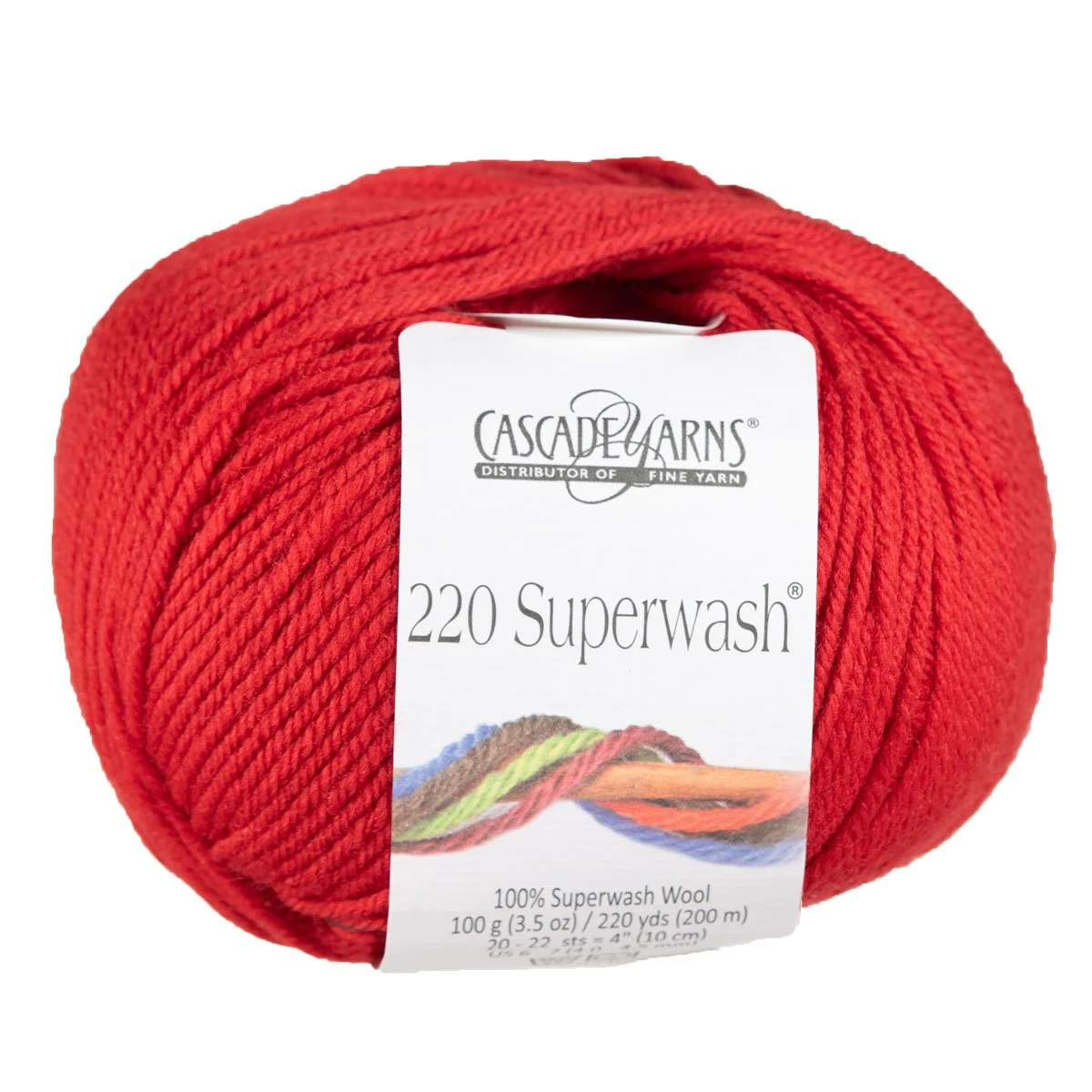
The best yarn for beginners is worsted weight superwash wool or cotton in light or bright colors. This combination offers excellent stitch definition (so you can see exactly what you're doing), a forgiving texture that doesn't split easily, consistent thickness that creates even stitches, and machine washability for easy care of practice projects.
Choosing your first yarn feels overwhelming when you're standing in a yarn shop surrounded by thousands of skeins. Many beginners gravitate toward cheap acrylic because it seems practical for learning. But acrylic splits easily, obscures stitch definition, and creates squeaky, uncomfortable fabric that doesn't feel rewarding to make. Starting with the wrong yarn can make knitting and crochet feel unnecessarily difficult, leading many beginners to quit before they experience the joy of working with quality fiber.
At AriYARN Shop & Studio in Park Ridge, IL, we guide beginners toward natural fibers that make learning easier and more enjoyable. This guide explains what makes yarn beginner-friendly, which specific yarns work best for first projects, and how to avoid common beginner yarn mistakes that create frustration instead of fun.
Start Your Craft Journey Right: The yarn you choose for your first projects sets the tone for your entire craft experience. Quality beginner yarn makes learning feel achievable and rewarding, not frustrating and confusing.
What makes yarn beginner-friendly?
Beginner-friendly yarn has clear stitch definition (you can see each stitch easily), consistent thickness throughout the skein, a texture that doesn't split or snag on your needles or hook, enough grip to hold stitches in place without being slippery, and availability in light or bright colors that make counting stitches simple.
When you're learning to knit or crochet, you're building muscle memory for completely new hand movements while simultaneously learning to "read" your stitches. The wrong yarn makes this exponentially harder. Dark colors hide stitches, making it impossible to see where to insert your needle or hook. Splitty yarn constantly catches on your tools, interrupting your rhythm and creating frustration. Slippery yarn slides off needles, while overly grippy yarn makes stitches difficult to work into.
The best beginner yarns act like training wheels—they stay in place when you need them to, forgive tension mistakes without creating obvious problems, and clearly show you what's happening with every stitch. This visibility and forgiveness allows you to focus on learning techniques rather than wrestling with your materials.
Stitch definition: why it matters for learning
Stitch definition refers to how clearly you can see individual stitches in finished fabric. Yarn with excellent stitch definition shows every stitch distinctly, while poor stitch definition creates a blurred or fuzzy appearance where stitches blend together. For beginners, clear stitch definition is essential because it allows you to count stitches accurately, identify mistakes immediately, and understand how different stitches create different textures.
Natural fibers like wool and cotton generally have better stitch definition than synthetic fibers. Smooth, plied yarns show stitches more clearly than fuzzy singles or heavily textured novelty yarns. When you can see exactly where one stitch ends and the next begins, you can troubleshoot problems independently rather than feeling lost and frustrated.
Yarn weight: start with worsted or bulky
Worsted weight (medium/size 4) is the ideal starting point for most beginners. It's thick enough to see clearly and work up quickly, but not so bulky that it's awkward to handle. (If you aren't sure what these numbers mean, keep a yarn weight chart handy for quick reference). Bulky weight (size 5) works for absolute beginners who want to see progress fast, while DK weight (size 3) is perfect for beginners with good dexterity who want detailed projects.
Yarn weight dramatically affects how easy yarn is to learn with. Very thin yarns (fingering, sport) require precise hand movements and create slow-growing projects that can feel discouraging. Very thick yarns (super bulky, jumbo) work up fast but can be awkward to handle and create stiff, heavy fabric. Worsted weight sits in the sweet spot—substantial enough to handle easily, quick enough to see progress, versatile enough for most beginner patterns.
| Yarn Weight | Best For | Beginner-Friendly? | Why |
|---|---|---|---|
| Bulky (#5) | Quick scarves, hats | ✅ Yes | Fast progress, easy to see stitches, forgiving |
| Worsted (#4) | All beginner projects | ✅✅ Best choice | Perfect balance of speed, definition, versatility |
| DK (#3) | Detailed projects | ⚠️ With good dexterity | Slower progress, requires precision |
| Sport/Fingering | Advanced projects | ❌ Not recommended | Too thin, slow progress, hard to see stitches |
Best fiber types for beginners
Superwash wool: the gold standard
Superwash wool is the best fiber for beginners because it combines softness, elasticity, stitch definition, and machine washability. The elasticity in wool fibers means your stitches naturally settle into place even if your tension is uneven—a huge advantage when you're learning. Wool "forgives" mistakes that would be obvious in less elastic fibers like cotton, creating finished projects that look more polished than your skill level might suggest.
The superwash treatment allows you to machine wash practice projects without fear of felting or shrinkage. This is crucial for beginners who will likely spill on, drop, or otherwise need to clean their first projects. Merino wool specifically is soft enough that you'll want to actually wear or use what you make, rather than relegating scratchy practice pieces to a drawer.
