
Best Yarn for Baby Blankets: Soft, Safe & Machine Washable Natural Fibers

Choosing yarn for a baby blanket feels like a big decision—and it should. You’re not just picking a color; you’re choosing what will touch a newborn’s skin for hours at a time, through naps, stroller walks, and late-night feedings.
At AriYARN, we specialize in natural fiber yarns and help caregivers every week who say things like, “I want something super soft, but I’m worried about allergies,” or “The parents are eco-conscious—what should I use?” This guide walks you through baby-safe fiber choices, real yarn recommendations (including merino, cotton, bamboo, and alpaca), and how to care for those special blankets so they last.
Everything here is based on fibers and yarns we actually carry in the shop, so if you’re local to Park Ridge or the Northwest Chicago suburbs, you can stop by AriYARN to squish the options in person and leave with a clear plan and the exact yardage you need.
What we’ll cover
What makes a yarn truly baby-safe?
When we talk about “baby-safe” yarns at AriYARN, we’re usually evaluating four things: softness, breathability, washability, and fiber sensitivity. Babies can’t tell you, “this itches,” but their skin often will—especially around the neck, wrists, and cheeks where blankets and clothing rub most.
For baby blankets, we generally recommend natural fibers like merino wool, cotton, bamboo, and alpaca, either on their own or in blends. These fibers breathe better than synthetics, help regulate temperature, and often feel softer against sensitive skin—especially in the right yarn construction and weight.
Good rule of thumb: If you wouldn’t want to wear it against your own neck for hours, it probably isn’t the right yarn for a baby blanket.
Fibers we love for baby blankets
- Superwash merino wool: Extra-soft, machine washable, and naturally temperature-regulating—great for year-round blankets.
- Organic cotton: Breathable, plant-based, and easy to care for, especially for warmer climates or wool-sensitive families.
- Bamboo blends: Silky, drapey, and cool to the touch—lovely for summer babies or nurseries that tend to run warm.
- Baby alpaca: Luxuriously soft and warm without itch, ideal for heirloom blankets or cooler climates.
The Big Debate: Is Bernat Blanket Yarn Good for Babies?
Bernat Blanket Yarn is a popular super-bulky, chenille-style yarn made from 100% polyester. While it is incredibly soft to the touch and works up very quickly, it is not highly breathable because it is synthetic. For temperature regulation and breathability, natural fibers like superwash merino or cotton blends are generally preferred for newborns.
If you have searched for baby blanket yarns online, you have almost certainly seen recommendations for Bernat Blanket Yarn or similar chenille-style options. These yarns are incredibly popular, but are they actually the best choice for a baby?
The appeal is obvious: Bernat Blanket is thick, squishy, and you can knit or crochet a full blanket in a single weekend. It is also completely machine washable and dryable.
However, because it is 100% polyester, it does not breathe like natural fibers do. Synthetics can trap heat, which is a concern for newborns who cannot regulate their own body temperature well. Additionally, chenille yarns can sometimes "worm" (where loops of yarn pull out of the fabric) or shed over time.
At AriYARN, we prefer to steer makers toward chunky natural fibers instead. You still get the speed of a thick yarn, but with the safety and breathability of wool or cotton.
| Feature | Bernat Blanket (Synthetic) | Natural Chunky Alternatives (e.g. Malabrigo Chunky) |
|---|---|---|
| Fiber | 100% Polyester | 100% Merino Wool or Cotton/Bamboo Blends |
| Breathability | Low (Traps heat) | High (Regulates temperature naturally) |
| Speed to Knit/Crochet | Very Fast (Super Bulky) | Fast (Bulky/Chunky) |
| Care | Machine wash and dry | Machine wash cold (if superwash) or hand wash |
Superwash merino wool: soft, breathable, and easy-care
Merino wool has a reputation for being soft enough to wear next to the skin, and for good reason. Compared to traditional wool, merino fibers are much finer, which makes them feel smooth instead of scratchy. When those fibers are treated to be “superwash,” they can usually be machine washed—perfect for busy parents who will be laundering baby items often.
We especially love superwash merino for baby blankets destined for everyday use. It’s warm but not sweaty, handles spills and frequent washing, and keeps its bounce and softness when cared for properly.
Our go-to merino blanket yarn at AriYARN
- Cascade 220 Superwash (light worsted / DK–light worsted): A 100% superwash wool yarn that’s soft, durable, and comes in a huge range of colors. It’s a great all-purpose choice for baby blankets that need to be both cozy and easy to wash.
Cascade 220 Superwash works beautifully for classic garter stitch or simple textured patterns that show off the stitch definition. You’ll get a blanket that feels substantial without being heavy, and it will hold up well to everyday family life.
Cotton and bamboo: cool, hypoallergenic options
Not every baby blanket needs to be woolly. For summer babies, warm homes, or families with wool allergies, plant-based fibers like cotton and bamboo are excellent choices. They tend to feel cool against the skin, are usually machine washable, and are less likely to trigger sensitivities.
The trade-off is that pure cotton can be a bit heavier and less elastic than wool, while bamboo adds drape and a silky hand. Blends often give you the best of both: softness, breathability, and nice stitch definition.
Best cotton and bamboo baby yarns at AriYARN
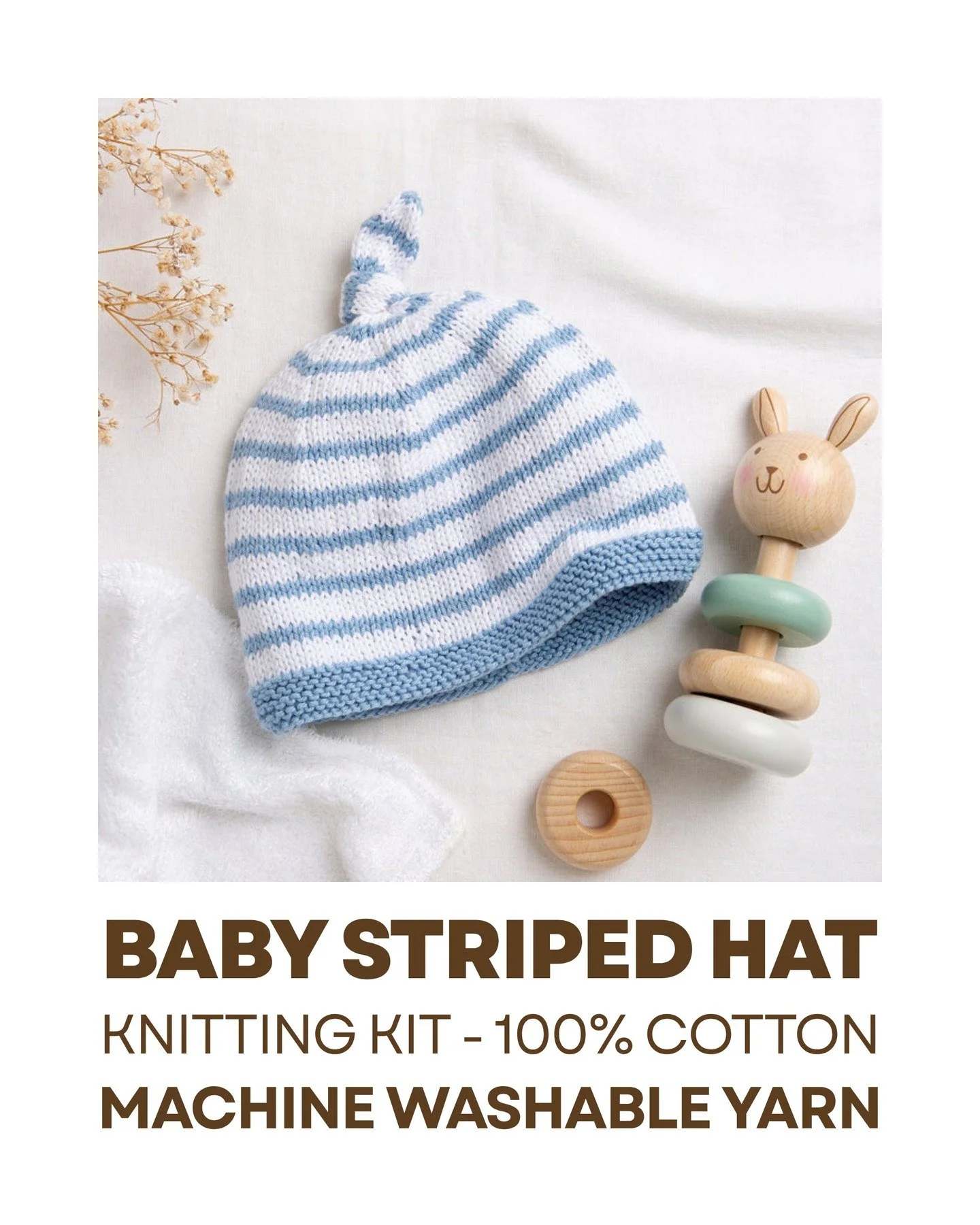
- Plymouth Sea Isle Cotton (worsted): A blend of organic Pima cotton and fine merino wool that feels soft, lightly springy, and breathable—great for three-season baby blankets that won’t overheat.
- Amano Samay (sport/DK): A pima cotton and bamboo blend with beautiful drape and sheen, perfect for lightweight blankets and baby wraps with a slightly cooler, silky feel.
- Universal Bamboo Pop (DK/light worsted): A cotton and bamboo blend yarn that’s smooth, cool, and machine-washable, ideal for warm-weather blankets and babies with wool sensitivities.
- Organic cotton options: We also carry pure organic cotton yarns that are wonderful for truly wool-free, vegan-friendly baby projects.
If you’re not sure whether to go with merino or a plant-based fiber, think about where the baby lives and how the blanket will be used. Stroller blanket for winter in Chicago? Merino or alpaca blends shine. Lightweight nap blanket for a warm upstairs nursery? Cotton or bamboo is often the better match.
Baby alpaca: cloud-soft luxury for special keepsakes
The term “baby alpaca” refers to the finest grade of alpaca fiber (under 23 microns), not the age of the animal. This ultra-fine fiber comes from the first shearing of adult alpacas and produces yarn that feels impossibly soft and lightweight. Baby alpaca is also warmer than sheep’s wool by weight, yet it doesn’t pill or felt easily.
Because alpaca fiber has a smooth surface without the scales found on sheep’s wool, it doesn’t cause the itching or irritation that some babies experience with traditional wool. It’s also naturally water-resistant, which means spills bead up on the surface rather than soaking in—a practical bonus for baby blankets.
Where baby alpaca comes from: ethical sourcing matters
Many of the natural fibers we carry at AriYARN come from small, family-run farms that prioritize animal welfare and sustainable land management. Alpacas are gentle on pastureland, requiring less food and water than sheep or cattle, and their soft-padded feet don’t damage delicate ecosystems. When you choose baby alpaca yarn from ethical sources, you’re supporting regenerative agriculture and humane fiber production.
Best baby alpaca yarns for baby blankets
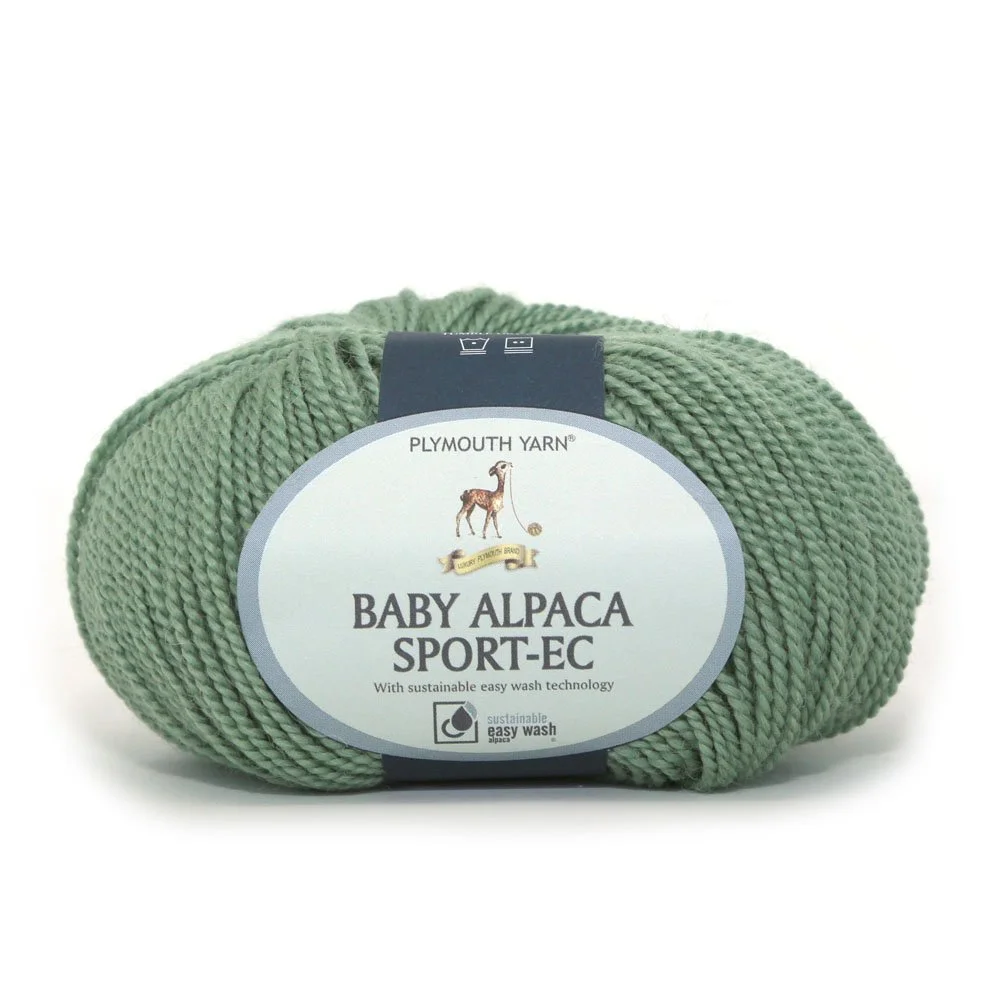
- Baby Alpaca Sport Weight: A pure baby alpaca yarn that’s incredibly soft and lightweight. Ideal for delicate baby blankets that feel like clouds.
Top baby blanket yarns at AriYARN Shop & Studio
Here are our most popular yarns for baby blankets, all available in our Park Ridge shop. Visit us to feel the fibers in person and get personalized recommendations based on your project timeline, skill level, and care preferences.
| Yarn | Fiber | Weight | Best For |
|---|---|---|---|
| Cascade 220 Superwash | 100% Superwash Wool | Light Worsted / DK–Light Worsted | Year-round blankets, fast projects |
| Pascuali Arctic Pearl | 100% Lyocell (Seacell: seaweed & eucalyptus) | DK | Lightweight, vegan-friendly, sensitive skin |
| Plymouth Sea Isle Cotton | 50% Organic Pima Cotton, 50% Fine Merino Wool | Worsted | Three-season blankets, soft & breathable |
| Amano Samay | 60% Pima Cotton, 40% Bamboo | Sport / Light DK | Breathable, drapey, warm-weather blankets |
| Universal Bamboo Pop | 50% Cotton, 50% Bamboo | DK / Light Worsted | Silky drape, temperature control, wool-free |
| Baby Alpaca Sport | 100% Baby Alpaca | Sport | Cloud-soft, hypoallergenic heirloom blankets |
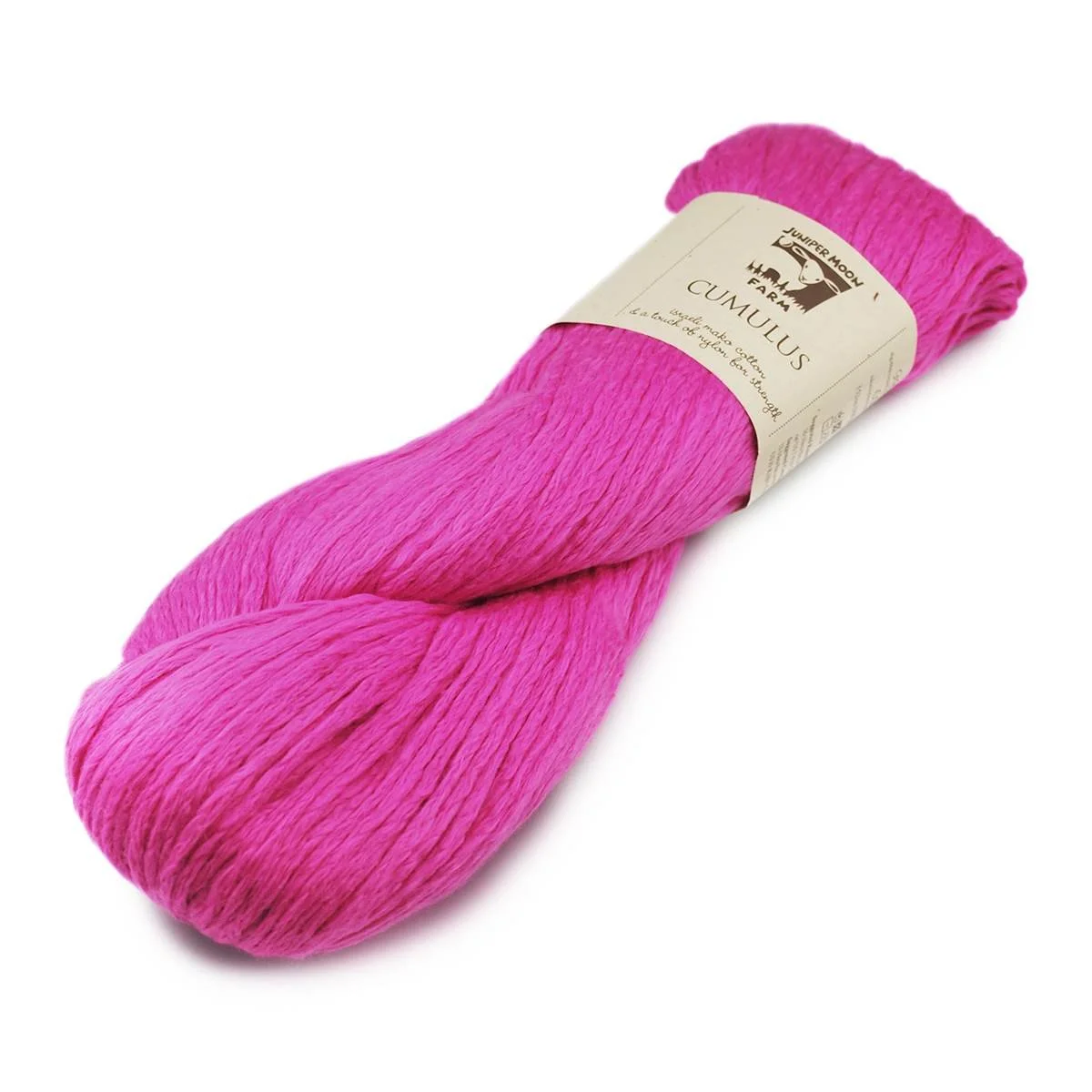
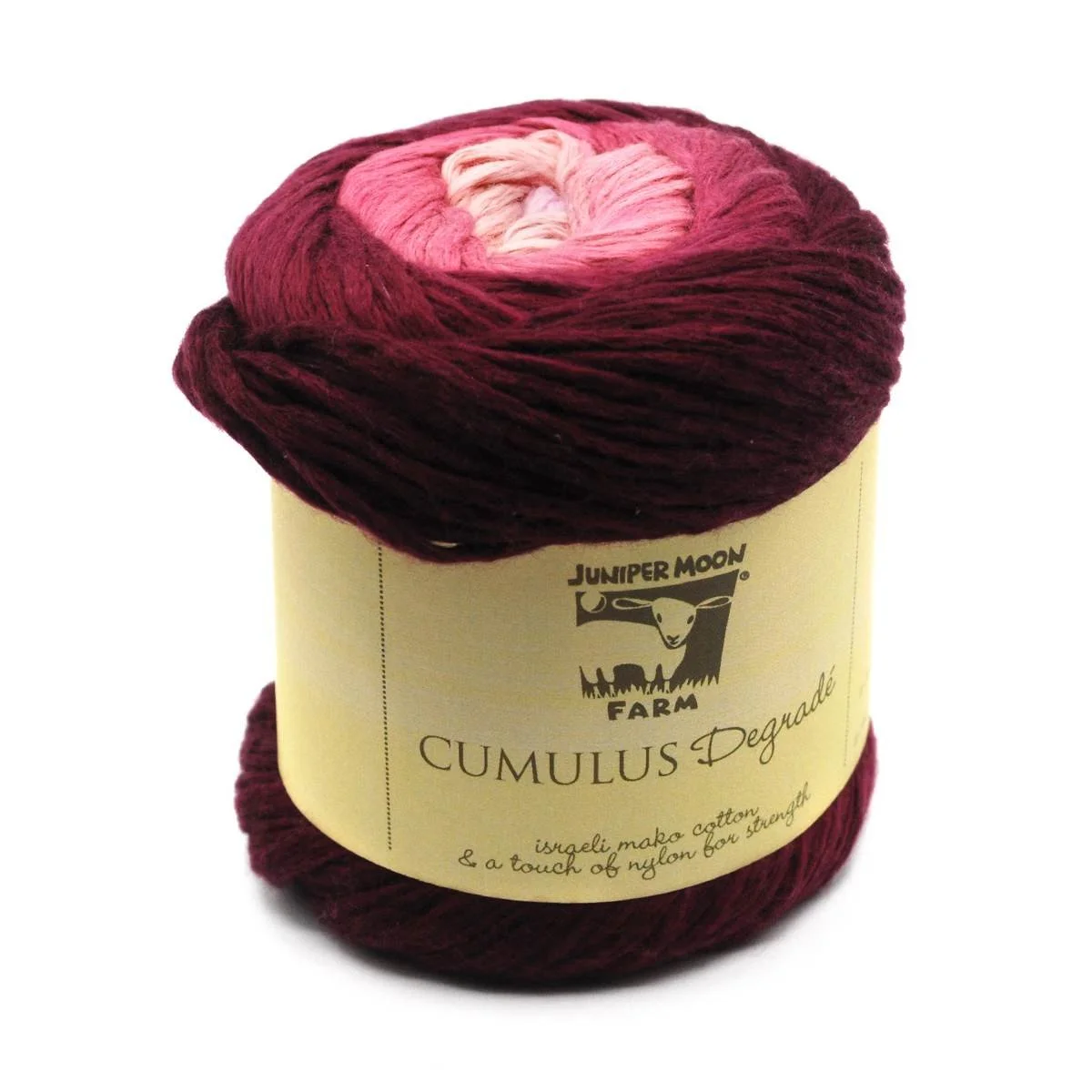
Visit AriYARN to squish baby yarns, compare softness, and get expert advice on which fiber works best for your recipient’s needs.
How to care for baby blankets made from natural fibers
Proper care extends the life of your handmade baby blanket and keeps it soft, safe, and beautiful through countless washes. Here’s how to care for each fiber type:
Superwash wool care
- Machine wash: Use cool or warm water (not hot) on a gentle cycle with wool-safe detergent. Avoid fabric softener, which coats fibers and reduces breathability.
- Drying: Lay flat to dry or tumble dry on low heat if the yarn label allows. Air drying generally extends the life of superwash wool.
- Storage: Store clean and dry in a breathable cotton bag. Cedar sachets repel moths naturally without harsh chemicals.
Cotton and bamboo care
- Machine wash: Use warm water and a gentle detergent. Cotton and bamboo blends usually handle regular washing well.
- Drying: Tumble dry on low to medium heat or line dry. Cotton may shrink slightly on the first wash, so consider pre-washing your yarn or adding extra length to your blanket.
- Softening: Both fibers soften over time. Fabric softener is not necessary and can sometimes irritate sensitive skin.
Alpaca care
- Hand wash preferred: While baby alpaca is durable, hand washing in cool water with a gentle wool wash preserves its softness best.
- Drying: Press out excess water in a towel, then lay flat to dry away from direct heat or sunlight.
- Spot cleaning: Thanks to alpaca’s natural resistance to soiling, many small spills can be blotted away without a full wash.
Real baby blanket inspiration from AriYARN makers
Nothing inspires a new project quite like seeing finished work from fellow fiber artists. This beautiful baby blanket was knit by one of our community members using natural fiber yarn from AriYARN. Whether you’re making a gift for a baby shower, welcoming a new grandchild, or preparing for your own little one, handmade blankets become treasured keepsakes that carry love through generations.
Visit AriYARN Shop & Studio
Baby blanket yarn FAQs
Is Bernat Blanket Yarn good for babies?
Bernat Blanket is incredibly popular because it works up fast and is very soft, but because it is 100% synthetic polyester, it does not breathe well. For better temperature regulation and breathability, we recommend using natural fibers like superwash merino wool or cotton blends for babies.
Can I ever use acrylic yarn for baby blankets?
Many big-box baby yarns are acrylic, but at AriYARN we focus on natural fibers because they breathe better, regulate temperature, and tend to feel nicer against sensitive skin.
Is superwash wool safe for babies with wool allergies?
Superwash merino is often tolerated better than traditional wool, but if a baby has a known wool allergy, we recommend cotton, bamboo, or other plant-based fibers to be safe.
How much yarn do I need for a baby blanket?
It depends on the size and yarn weight, but as a rough guide, you might need 600–1000 yards for a small stroller or crib blanket in DK or worsted weight. Bring your pattern to the shop and we’ll help you calculate exact yardage.
What if I don’t know the baby’s sensitivities yet?
When in doubt, choose a soft, plant-based fiber (like cotton/bamboo) or a very fine, non-itchy animal fiber (like merino or baby alpaca) and include care instructions with your gift.
