
Wonderland Yarns Buying Guide (Colorways, Bases & Where to Buy Near Chicago)
Wonderland Yarns Buying Guide (Colorways, Bases & Where to Buy Near Chicago)
Wonderland Yarns is the kind of hand-dyed yarn that makes you pause mid-aisle: juicy speckles, painterly tonals, and gradients that look like they belong on a gallery wall. This guide will help you pick the right base for your project, choose colorways that knit up beautifully, estimate yardage, and shop with confidence — whether you’re ordering online or visiting us in person near O’Hare.
Prefer to browse first? You can always shop our online store and message us via contact if you’d like a hold or help choosing.
On this page
Quick answers (at a glance)
What is Wonderland Yarns known for?
Vibrant, hand-dyed colorways — speckles, tonals, and gradients that feel intentional (not random).
What should I buy first?
Start with a versatile sweater-or-shawl friendly base in a colorway you’d happily wear near your face.
Do you stock every line?
We carry a curated selection — availability changes. Always shop our online store for what’s current.
Best projects for these colorways?
Shawls, hats, mitts, cowls, lightweight sweaters, and “one-skein wow” accessories.
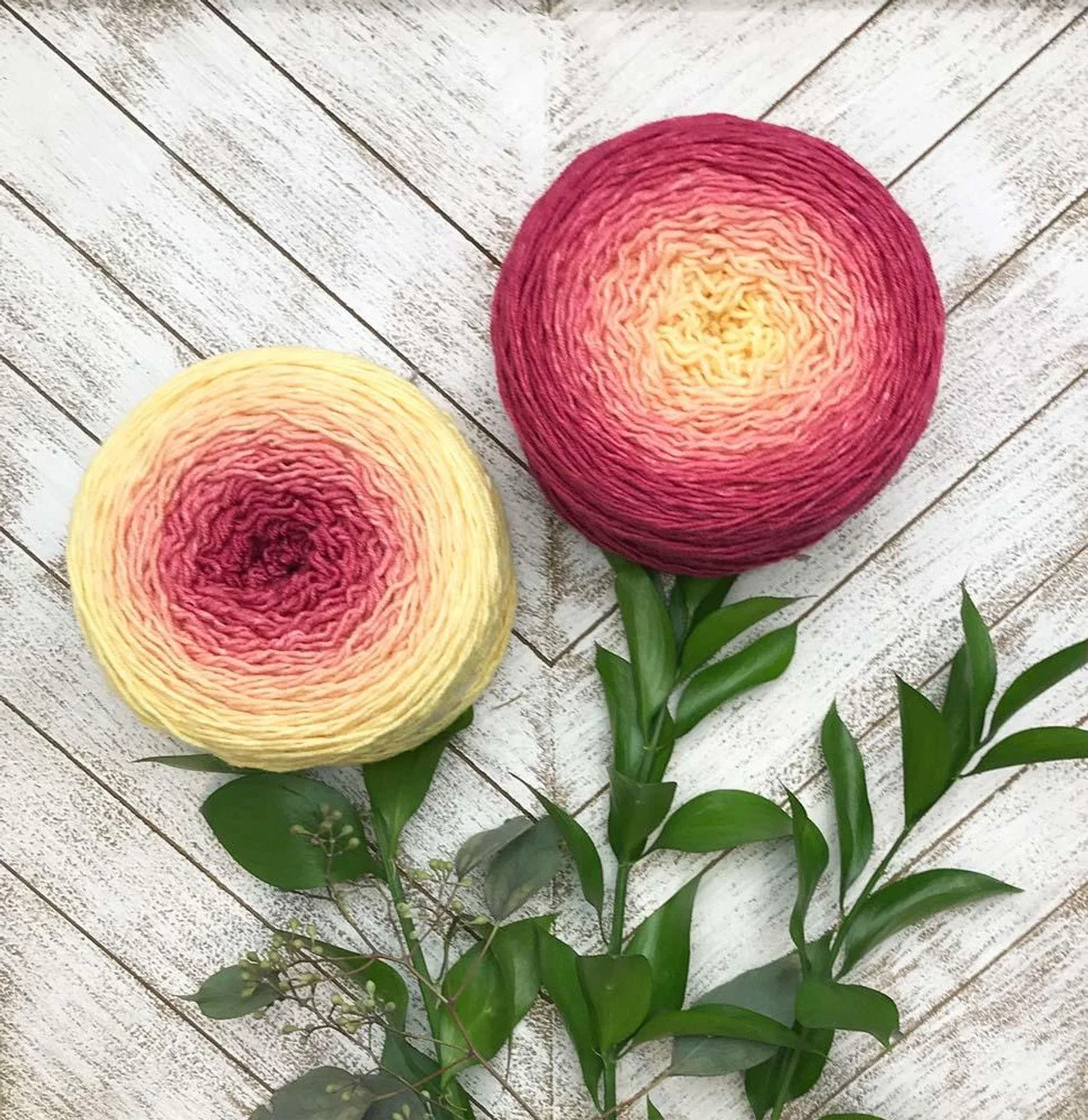
Why makers love Wonderland Yarns
There’s a certain kind of yarn that makes you want to start a project immediately — not because you “need” it, but because the color story feels like a finished idea already. Wonderland Yarns fits that mood beautifully.
Here’s what tends to make Wonderland stand out in a stash (and on the needles/hooks):
- Color that reads clearly in fabric. Some dyes look amazing in the skein and then get muddy in stitches. Wonderland-style color stories often keep their personality after knitting up.
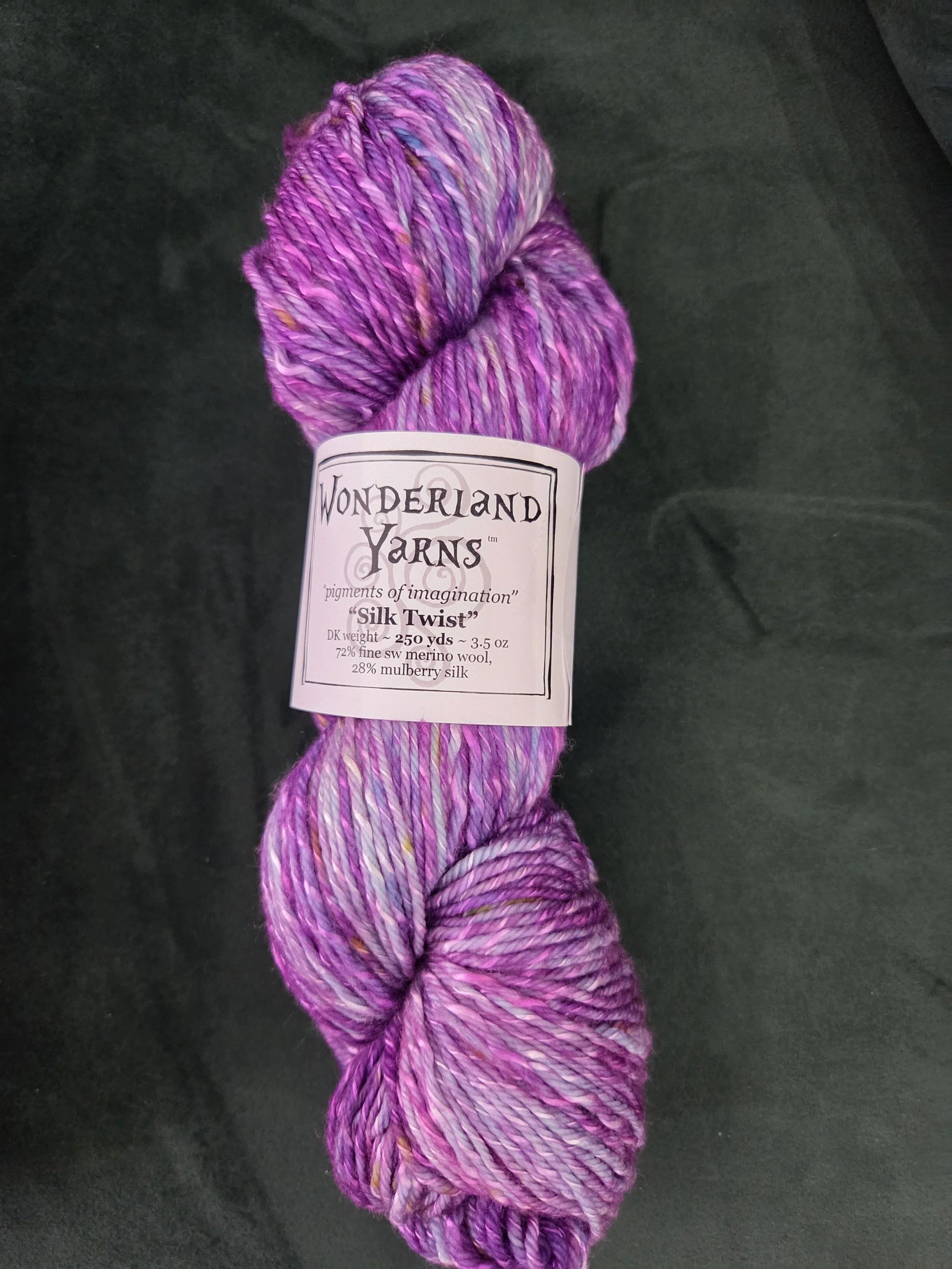
- Speckles with intention. Speckles can feel chaotic if they’re too dense or too contrasty. When they’re balanced, you get “confetti” movement without losing the main shade.
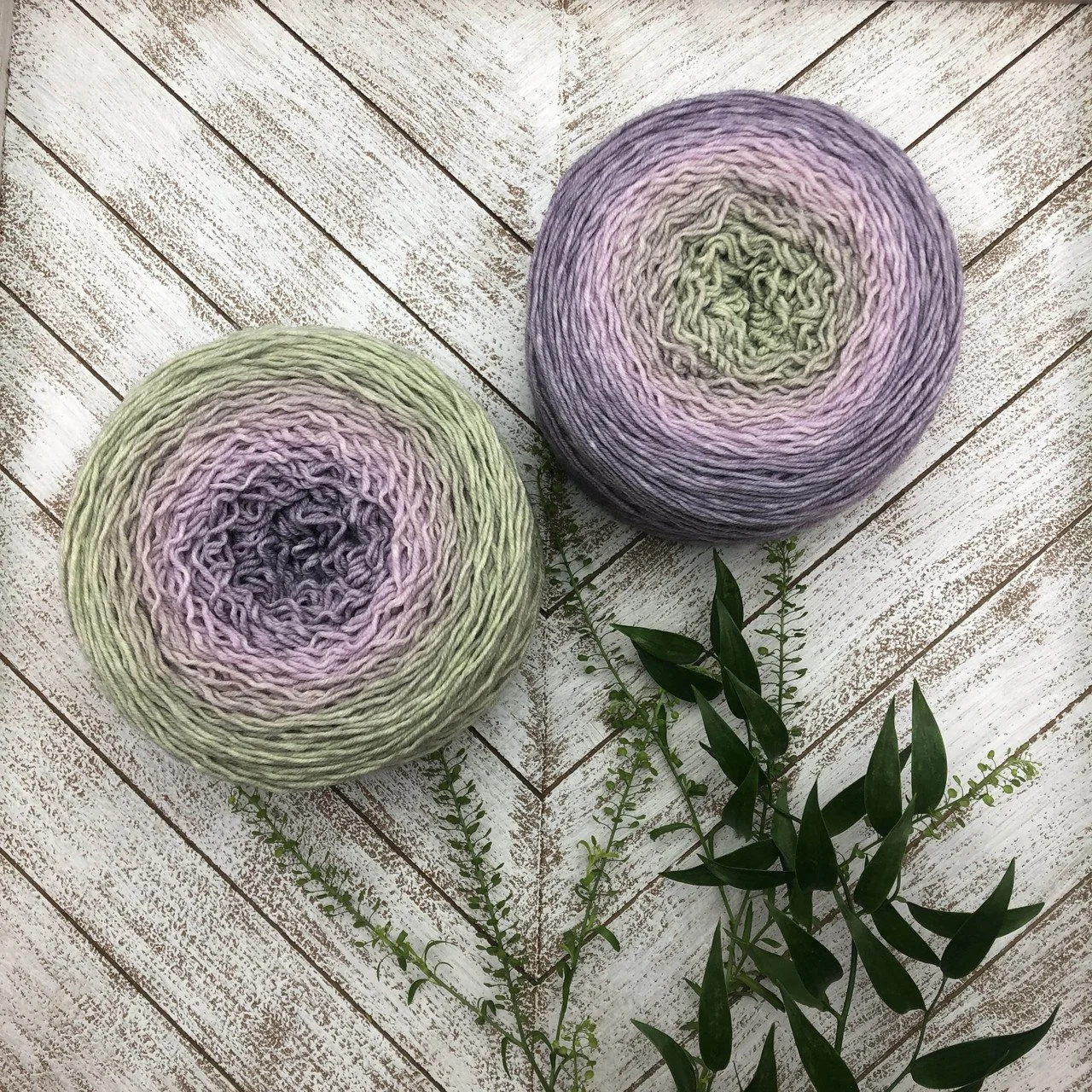
- Gradients that look like a design plan. Gradient sets are perfect for shawls, wraps, and striped garments because the transitions do a lot of the visual work for you.
- Photographs well, wears well. If you love sharing WIPs, hand-dyed yarn with nuanced tonals looks rich in both natural light and indoor photos.
How to choose a Wonderland base (so you love the finished fabric)
When most people shop hand-dyed yarn, they start with color. Totally fair — color is the spark. But the base is what determines how your project behaves: drape vs. bounce, halo vs. crisp stitch definition, and “airy spring layer” vs. “winter workhorse.”
Step 1: Decide what you want the fabric to do
- Drape & flow: Choose a base that feels smooth and fluid. Great for shawls, wraps, and lightweight garments.
- Structure & stitch definition: Look for a base that holds shape and shows texture. Great for cables, ribs, and crisp crochet stitches.
- Cozy halo: If you want softness that looks “cloudy,” pick a base with a gentle bloom. Great for simple stockinette that lets color shine.
Step 2: Match weight to real-life wear
A lot of hand-dyed yarn lives in that sweet spot between “fun to make” and “actually wearable.” If you’re building a wardrobe piece (or a gift that needs to be useful), weight matters.
- DK weight: A go-to for sweaters, shawls, hats, and mitts — enough warmth without feeling bulky.
- Fingering weight: Ideal for shawls, socks, and lightweight layers; also great for colorwork and brioche.
- Sport weight: A nice bridge for garments and accessories with a little more body than fingering.
Step 3: Consider sensitivity (especially for gifts)
If someone is sensitive to wool or prefers plant fibers, we can help you pick a base that’s comfortable. The best approach: tell us the project type + wearer preference and we’ll narrow it down fast. For the simplest route, use contact us for help / holds.
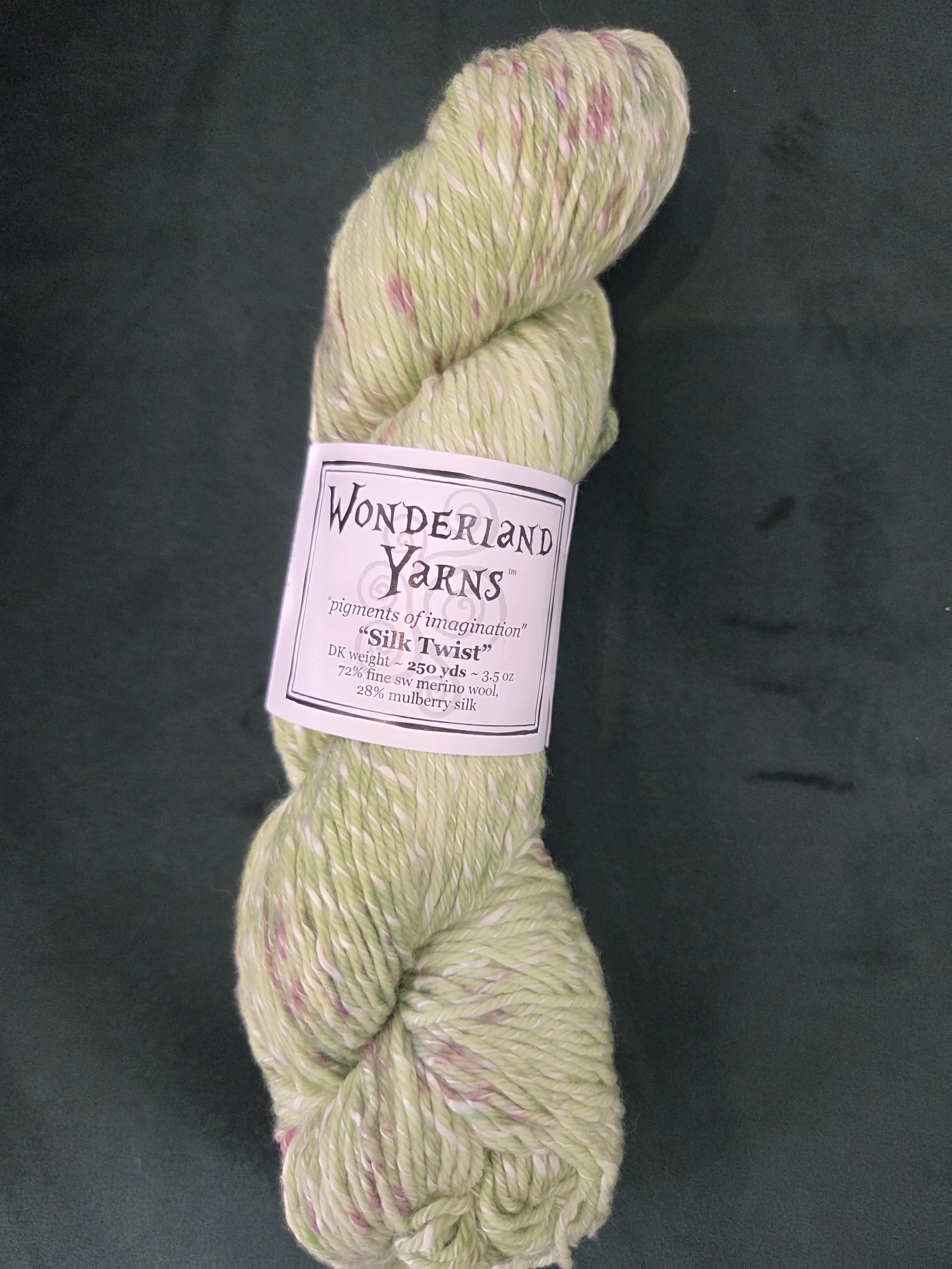
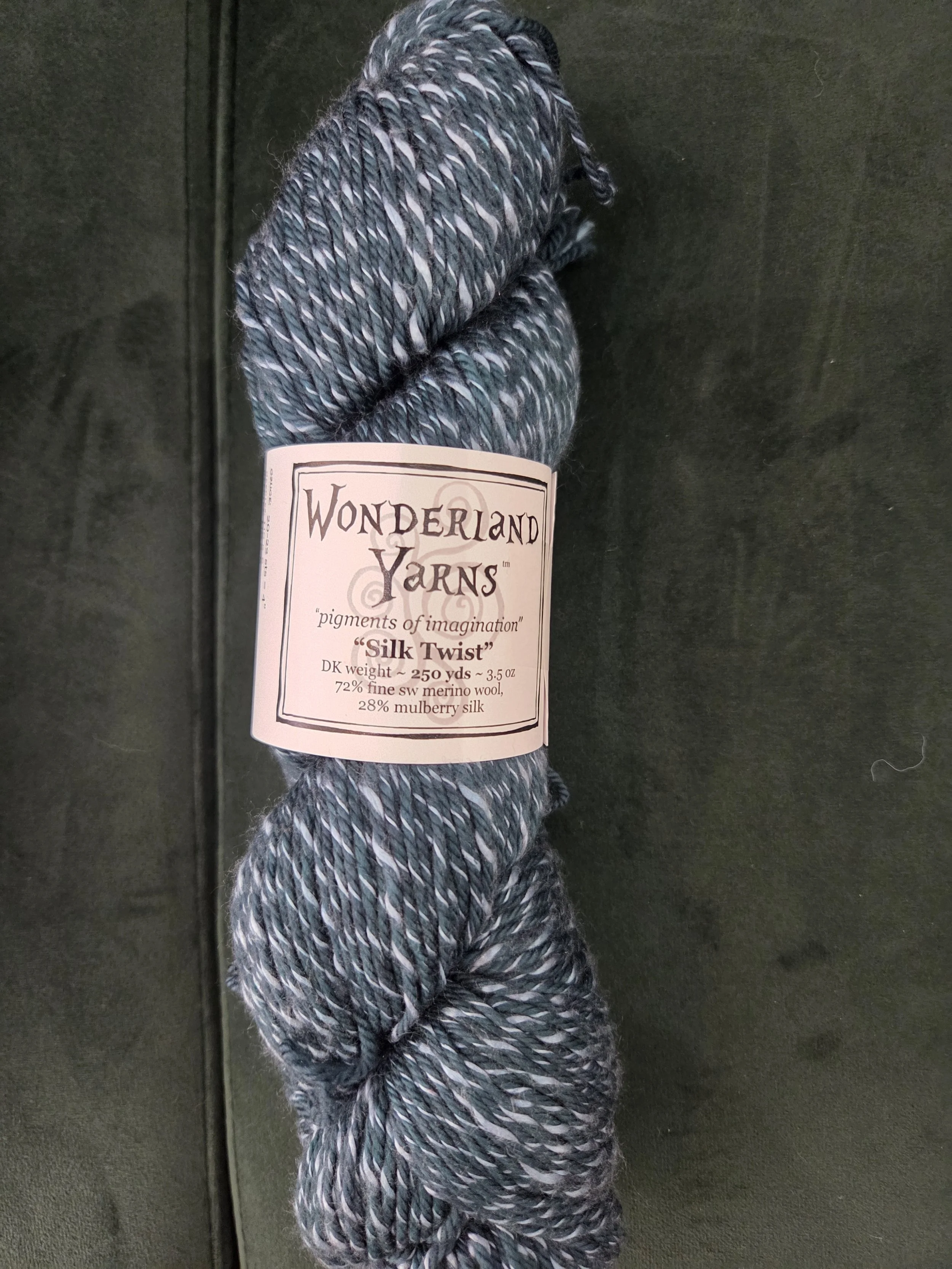
Colorways: speckles, tonals, and gradients (how they behave in a project)
Hand-dyed colorways are basically “visual texture.” The trick is choosing a style of dye that suits your pattern and your stitch choice. Here’s how to think about Wonderland-style color stories when you’re planning a project.
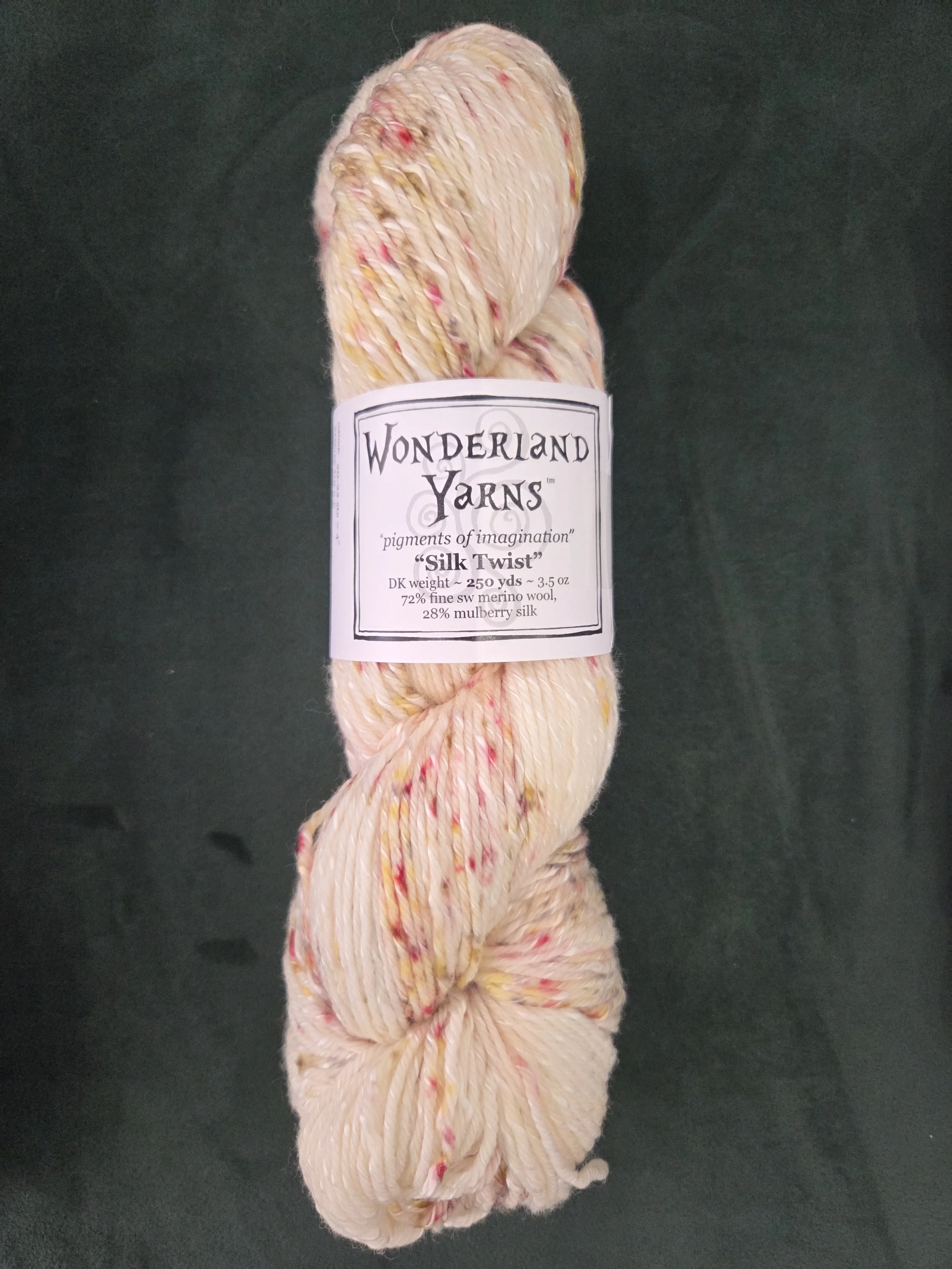
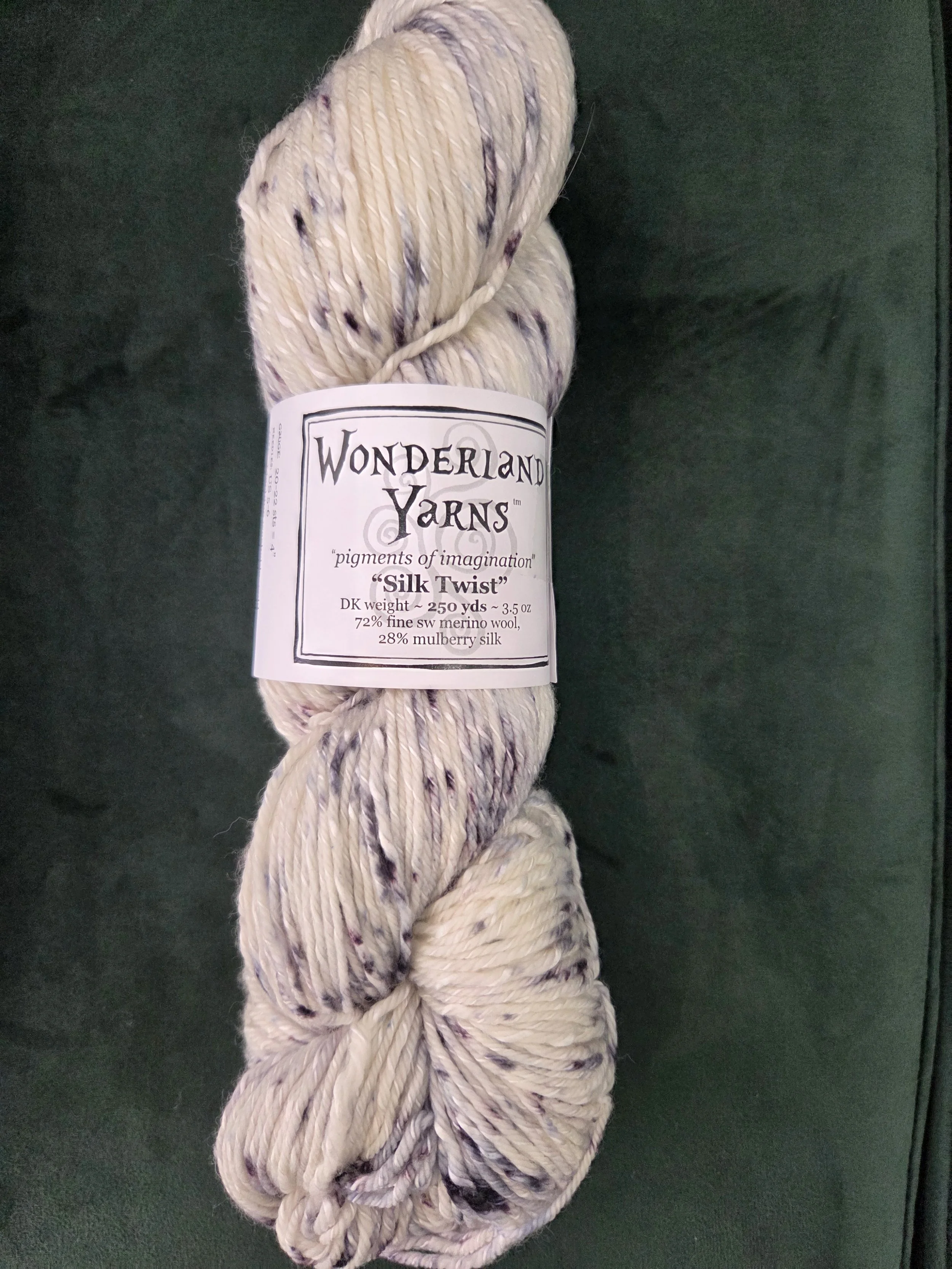
Speckles: movement without busy-ness
Speckles are amazing for simple patterns — stockinette, garter, basic crochet stitches — where the color provides the excitement. In highly textured stitches (tight cables, complex lace), speckles can sometimes compete with the stitch pattern. A good rule: if the pattern is complex, use a calmer colorway; if the pattern is simple, speckles can shine.
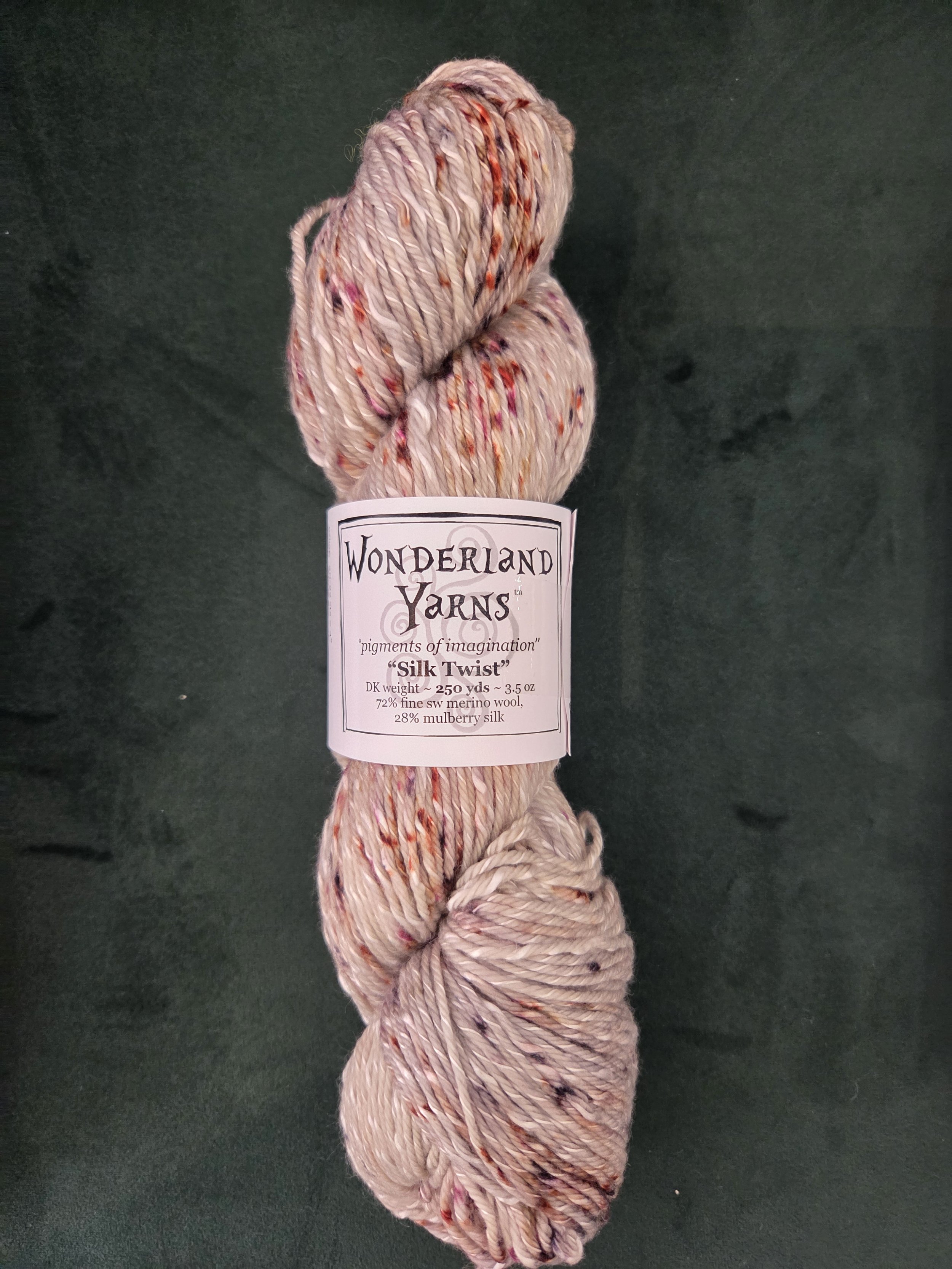
Tonals & marls: “expensive-looking” fabric with minimal effort
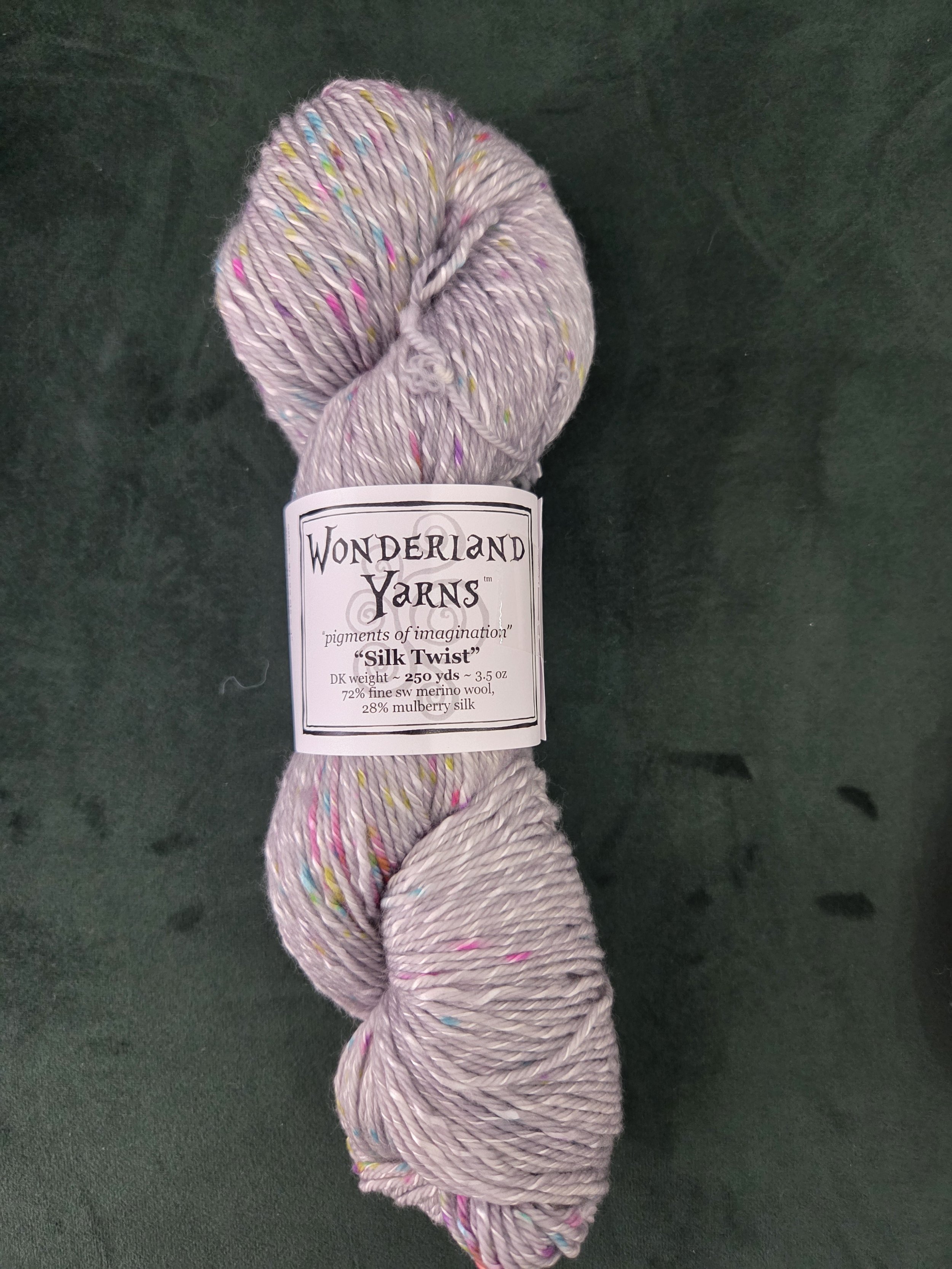
Tonals (and tonal-adjacent marls) are the secret weapon for wearable garments. They add depth without shouting, and they’re fantastic for ribbing, cables, and any pattern where you want the fabric to read clearly.
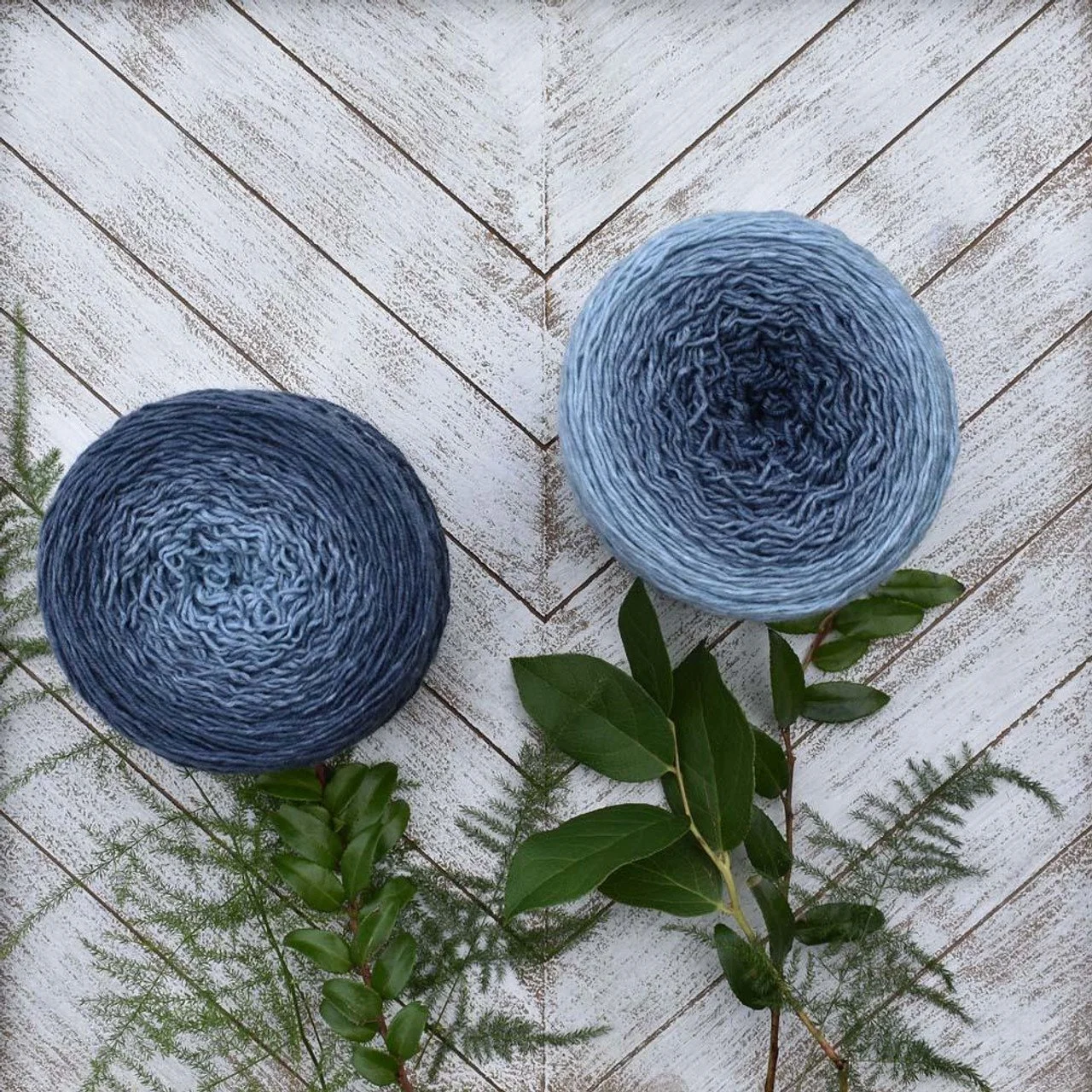
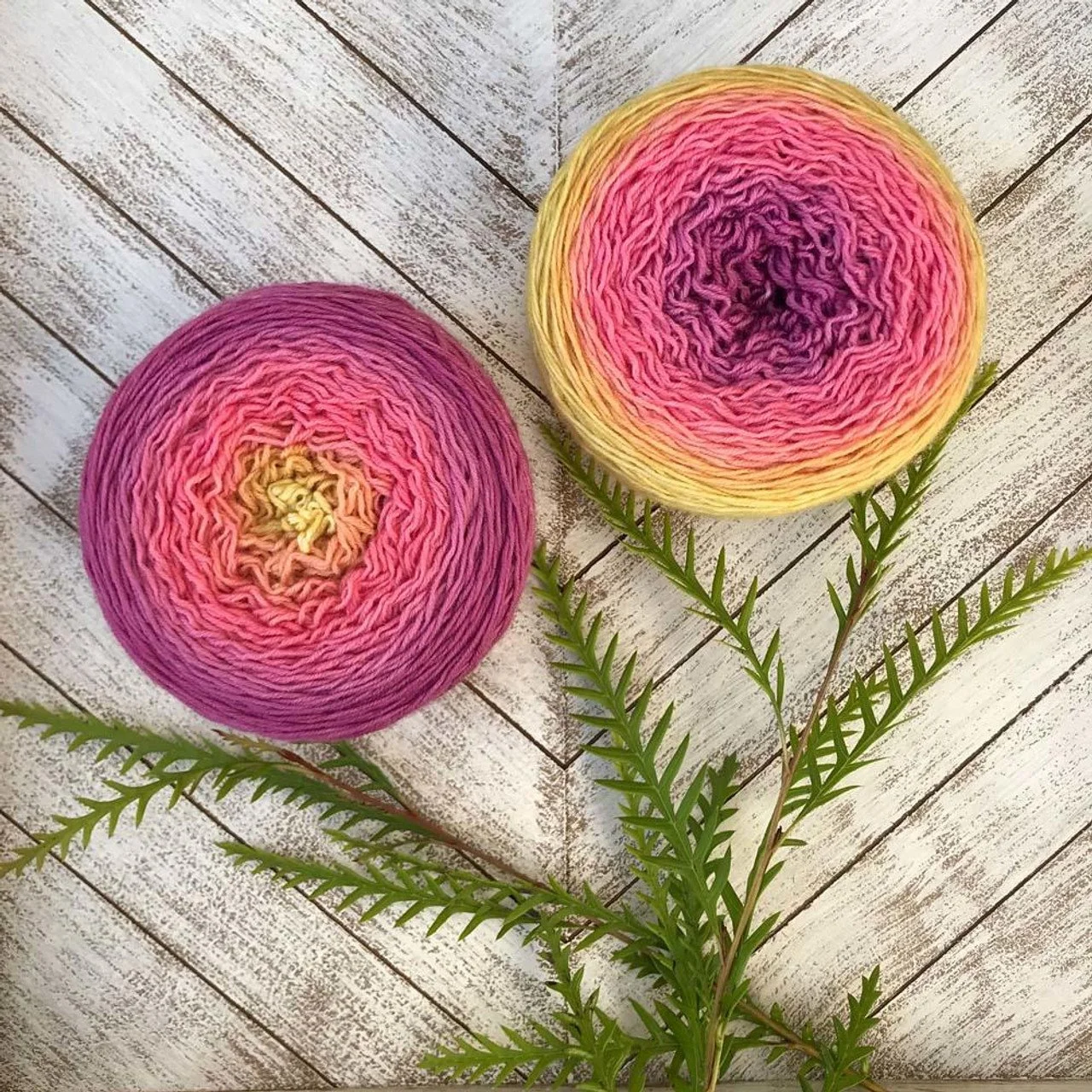
Gradients: the easiest way to make a “wow” shawl
Gradient sets are perfect when you want color transitions that look intentional and polished. Shawls, wraps, scarves, and striped pullovers are natural matches — and gradients are especially kind to knitters/crocheters who want a stunning result without juggling a bunch of separate skeins.
Best projects for Wonderland yarns (knit + crochet)
Wonderland-style colorways reward patterns that give the dye room to speak. That doesn’t mean “boring” — it means you choose texture strategically so the color stays readable and flattering.
1) Shawls & wraps (the easiest “gallery moment”)
If you want maximum visual impact with low decision fatigue, start here. Gradients create built-in drama; speckles bring playful energy. Choose a shawl shape you actually wear: crescent for cozy neck-wrapping, triangle for styling variety, or rectangular wrap for a wardrobe staple.
2) Sweaters (wearable color that still feels special)
For garments, tonals and softer speckles often look the most “everyday luxe.” If you’re using a higher-contrast speckle, consider placing it as a yoke detail, stripes, or panels rather than the entire body — unless you want a fully statement sweater (which can be amazing).
3) Hats, cowls, mitts (one-skein joy)
Accessories are the best way to experiment with brighter color stories. They’re faster, giftable, and you get to enjoy the dye up close. If you want a clean look, choose a tonal/marl. If you want “fun,” go speckled or variegated.
4) Crochet projects: let stitch texture frame the color
Crochet can “use up” color faster visually because stitches are larger and more dimensional. Speckles can look incredible in classic stitches (half-double crochet, moss stitch) and in motifs where color pops against structure. For gradients, consider patterns that change sections (panels/rows) so transitions feel intentional.
How much to buy (yardage planning that prevents heartbreak)
The number one hand-dyed yarn regret is running out halfway through something you love. For colorways with lots of movement, matching dye lots can be tricky — so if you’re on the fence, it’s usually better to buy enough up front.
Simple yardage cheat sheet
- Hat (adult): often 200–300 yards depending on stitch + brim style
- Cowl: often 250–450 yards depending on size and texture
- Shawl / wrap: commonly 400–800+ yards depending on shape and desired drape
- Light sweater: typically 1,000–1,600+ yards depending on size and weight
- Scarf: often 300–600+ yards depending on width and stitch density
Because Wonderland-style dye has such personality, patterns that use two colors (main + contrast) are a sweet spot: you get drama and polish, and you can manage your yardage more predictably.
Care & finishing: keep those colorways looking gorgeous
Hand-dyed yarn can be wonderfully colorfast — but it’s still worth treating your first wash like a careful test run. This is especially true with saturated colors and high-contrast speckles.
Blocking basics (knit + crochet)
- Use cool to lukewarm water for the first soak and avoid aggressive agitation.
- Gently squeeze, don’t wring. If you need to remove extra water, press the item in a towel.
- Shape on a flat surface and let it dry fully before moving it.
- Test a swatch if you’re combining light + dark colors in one piece (it prevents surprise bleeding).
How to avoid “pooling” with variegated yarn
Pooling happens when color sections repeat in a way that creates accidental blobs or stripes. If you love the look, great — embrace it. If you don’t, try:
- Changing needle/hook size slightly to shift the stitch count rhythm
- Alternating skeins every 1–2 rows/rounds for a blended effect
- Choosing a pattern with texture or stitch pattern changes that break up repeats
Where to buy Wonderland Yarns in the Chicago area
If you’re shopping Wonderland Yarns near Chicago, the goal is simple: find a place where you can match colors confidently, get the right quantity, and make sure the base fits the project you’re planning.
Shop online (fastest way to see what’s in stock)
Our inventory changes as curated shipments arrive and makers scoop up favorites — so the most accurate snapshot is always online: shop our online store. If you’re building a multi-skein project, shopping online also makes it easy to purchase enough at once.
Visit AriYARN in Park Ridge (easy from Chicago + near O’Hare)
In-person shopping is perfect when you want to:
- Compare speckles and tonals side-by-side
- Pick a contrast color that looks good in real light
- Match a yarn to a pattern idea (shawl vs. sweater vs. accessory)
We’re located at 153 N Northwest Hwy, Park Ridge, IL 60068. If you want to confirm availability before driving over, use contact us for help / holds.
Want help choosing? Here’s the best way
If you want real guidance (base choice, yardage, pattern suitability), the most reliable option is our workshops & classes or a quick message through contact.
Classes, workshops, and Stitch N’ Craft Night (what to expect)
AriYARN is both a yarn shop and a place to actually make things. Here’s how our community experiences typically work:
Workshops & classes = structured learning + real help
If you want step-by-step instruction, technique coaching, or troubleshooting, our workshops & classes are designed for that. They’re the best fit when you want to learn a new skill (or finally understand the one you’ve been side-eyeing for months).
Thursday Stitch N’ Craft Night (5–7 PM) = community + show-and-tell
Our Thursday Stitch N’ Craft Night is a relaxed community meetup. You’re welcome to bring your project, share progress, swap ideas, and enjoy that “makers in a room” energy. It’s not structured as official help or instruction — that’s what classes and workshops are for — but it’s totally normal to chat, compare notes, and ask for friendly feedback from fellow makers.
FAQ
Do you always have Wonderland Yarns in stock?
We carry a curated selection and it can rotate. For the most accurate view, please shop our online store.
Can you help me pick a colorway for my skin tone or wardrobe?
Yes. If you’re shopping a gift or building a garment, send us a quick note via contact and tell us “warm vs. cool,” “bright vs. muted,” and what the project is. We’ll suggest great options.
What’s the best first project for hand-dyed yarn?
A hat, cowl, or a simple shawl is a fantastic start. These projects let you enjoy the color without needing perfect sizing.
Should I alternate skeins for a garment?
Often yes — alternating every row/round can smooth transitions and reduce visible shifts between skeins, especially with hand-dyed yarn.
Is Stitch N’ Craft Night a help session?
It’s a relaxed community meetup for making and socializing. You can share progress and ask for friendly feedback, but it isn’t structured as official instruction. For dedicated help, please see workshops & classes.
Can you hold yarn for me?
Message us through contact and we’ll do our best to help with holds or availability questions.
Ready to choose your Wonderland colorway?
If you want to browse what’s currently in stock, the fastest path is to shop our online store. If you want help choosing a base, planning yardage, or pairing a main + contrast, reach out via contact. And if you want structured learning and true troubleshooting, check workshops & classes.
