
Quince & Co. Yarn & Tools Buying Guide (Where to Buy Near Chicago + Online)
Quince & Co. Yarn & Tools Buying Guide (Where to Buy Near Chicago + Online)
If you love clean stitch definition, breathable plant fibers, and modern basics that feel “quietly special,” Quince & Co. is one of those brands that makes planning a project feel easier. This guide helps you choose the right Quince & Co. fiber (linen vs. wool), swatch smarter, and build a project kit that actually behaves—whether you’re shopping from anywhere in the U.S. or stopping by AriYARN near O’Hare.
Local note: We’re at 153 N Northwest Hwy, Park Ridge, IL 60068—easy for Chicago, the suburbs, and quick trips near O’Hare. Inventory changes quickly; for the most current Quince & Co. availability, check /store.
On this page
Quick answers (at a glance)
The fastest way to pick the “right” Quince & Co. option is to start with the season and your tolerance for crisp vs. cozy. Here’s the cheat sheet we use at the shop. ✨
Inventory truth (always): We keep our Quince & Co. selection curated and seasonal. If you don’t see your exact color or quantity today, use Contact us for help / holds—we’ll do our best to guide you to the closest match or a great substitute.
Why Quince & Co. works so well (even when you’re “between projects”)
Quince & Co. has a particular kind of “project clarity.” The fibers are the headline, the palette feels wearable, and the results tend to look intentional without needing fancy tricks. The brand emphasizes responsible production and offers yarns that span wool, organic linen, and organic cotton—so you can plan across seasons without hopping between ten different aesthetic universes. :contentReference[oaicite:0]{index=0}
Another helpful point for shoppers: Quince & Co. entered a new chapter in 2023 by joining the Lion Brand Yarn family, which helped re-energize the brand while keeping the Quince identity rooted in yarn-and-community culture. :contentReference[oaicite:1]{index=1}
For AriYARN customers, that translates to a simple promise: when you choose a Quince & Co.-style yarn, you’re choosing materials that behave—especially if you swatch once and then trust your process. (We’ll help you get that process dialed in.)
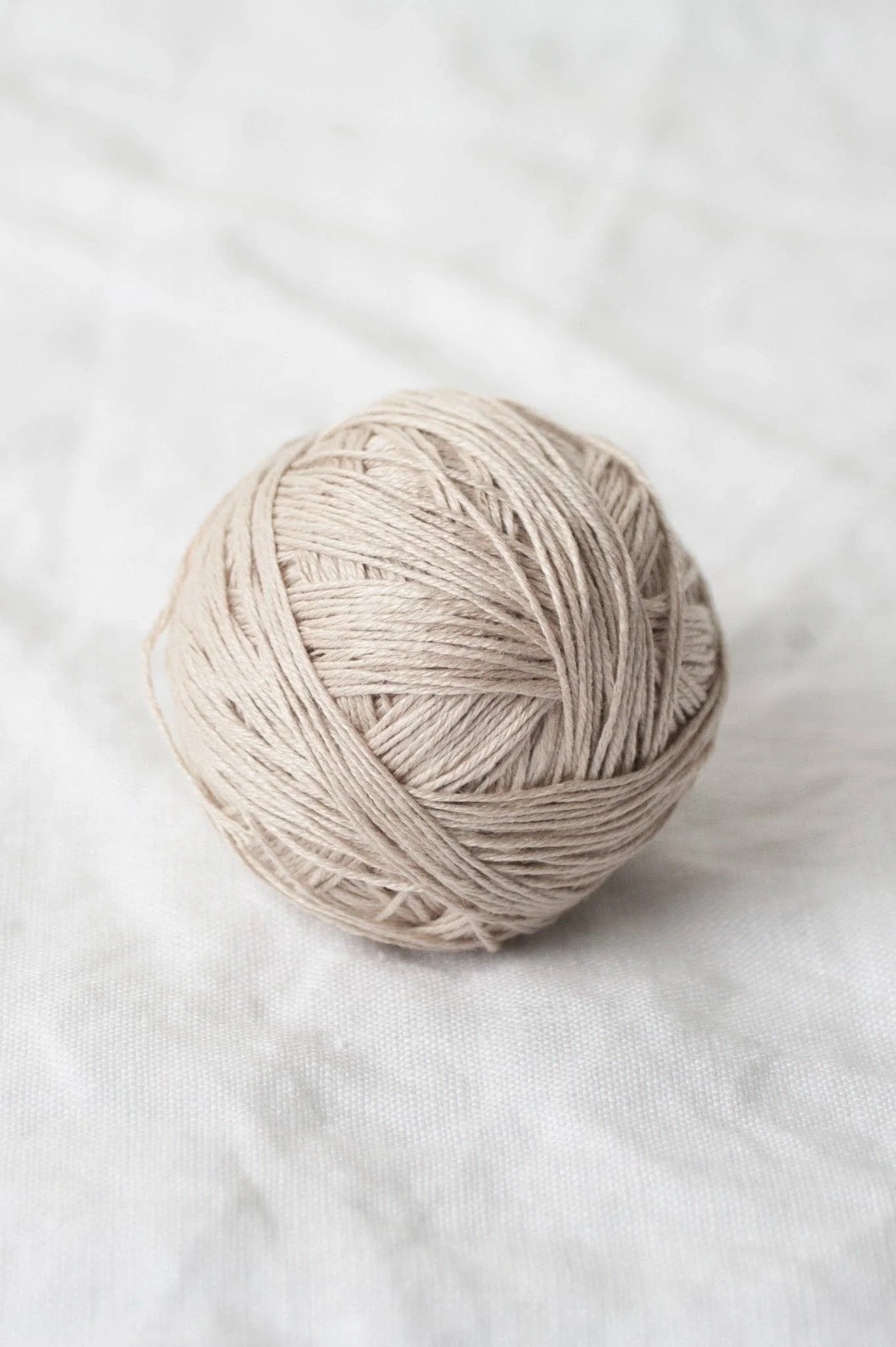
Fiber map: linen vs. wool (and how to choose)
Think of this as your “feel + function” map. The right choice depends less on what you should knit and more on how you want the fabric to behave.
Choose linen when you want structure + breathability
- Best for: tanks, tees, market bags, warm-weather shawls, textured stitch patterns that pop.
- Feel: crisp while you knit; softens substantially after washing and wearing.
- Fabric personality: drapey with a little structure—great for clean lines.
- Chicago tip: if you run warm or want something that feels good in summer humidity, linen is your friend.
Choose wool when you want springy stitches + cozy recovery
- Best for: sweaters, hats, mitts, cowls, baby knits, and anything you want to keep its shape.
- Feel: generally softer-in-hand while knitting, with elastic “bounce.”
- Fabric personality: forgiving, especially if you’re learning shaping or colorwork.
Simple rule: If you want a garment that reads “tailored,” start with linen. If you want a garment that reads “hug,” start with wool. Either way—swatching is the insurance policy.
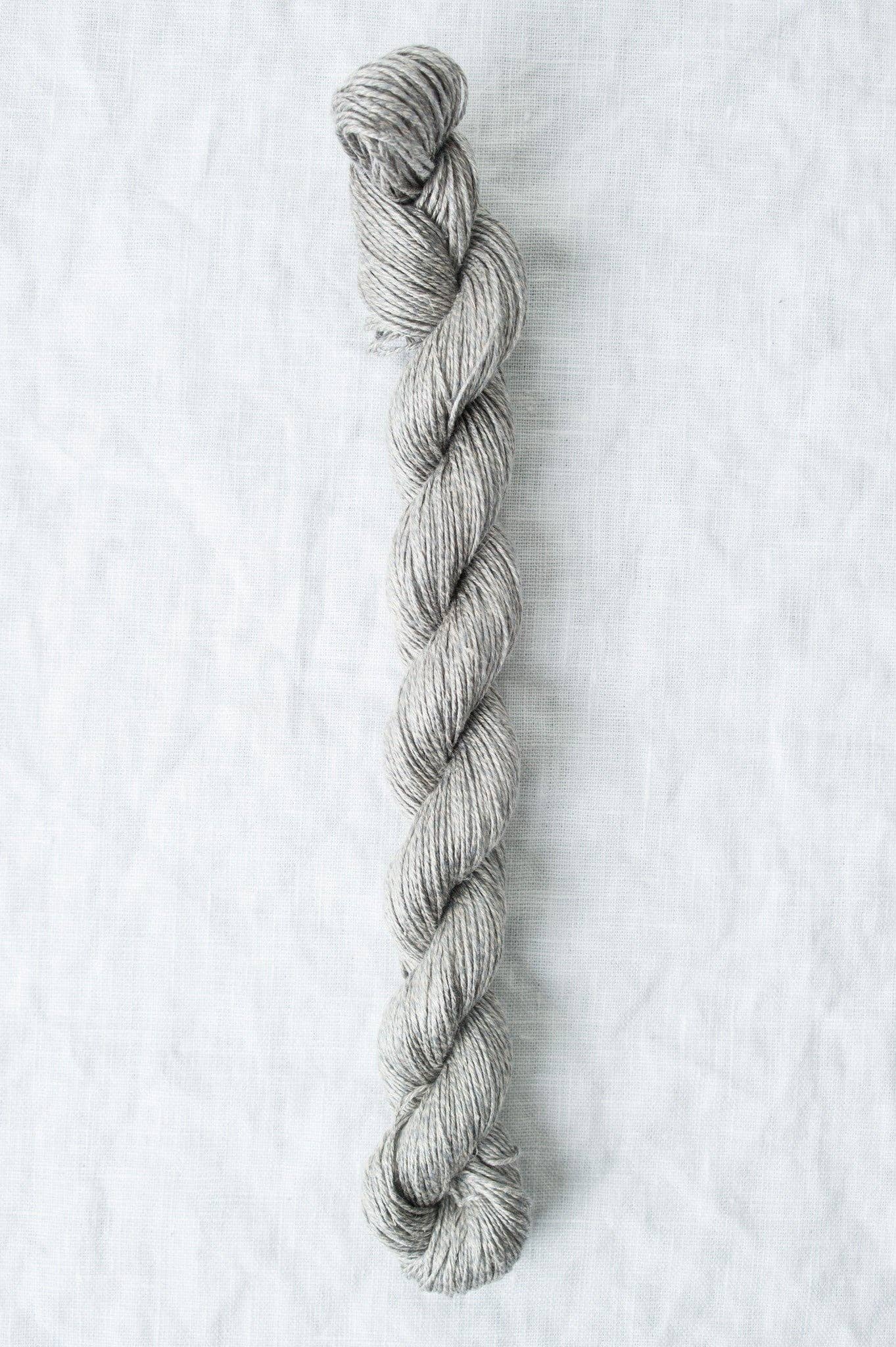
Spotlight: organic linen for summer knitting
Quince & Co.’s organic linen (often recognized by knitters through the “Sparrow” family) is beloved because it starts crisp and becomes “handkerchief soft” with washing and wear. :contentReference[oaicite:2]{index=2} That means your knitting experience and your final garment experience aren’t identical—and that’s a feature, not a bug.
Here’s the practical way to think about it:
- While knitting: the yarn may feel a little firm and the stitches look ultra-defined.
- After a soak + dry: the fabric relaxes, the drape improves, and the surface gets noticeably softer.
- After real wear: linen becomes comfortable in a way that feels “earned.”
Best beginner-friendly linen projects
If you’re new to linen, start with something that doesn’t demand perfect tension:
- Simple tee or tank: stockinette, minimal shaping, lots of payoff.
- Bandana-style shawl: lets you practice lace/texture without garment math.
- Market bag: linen’s structure helps it hold up over time.
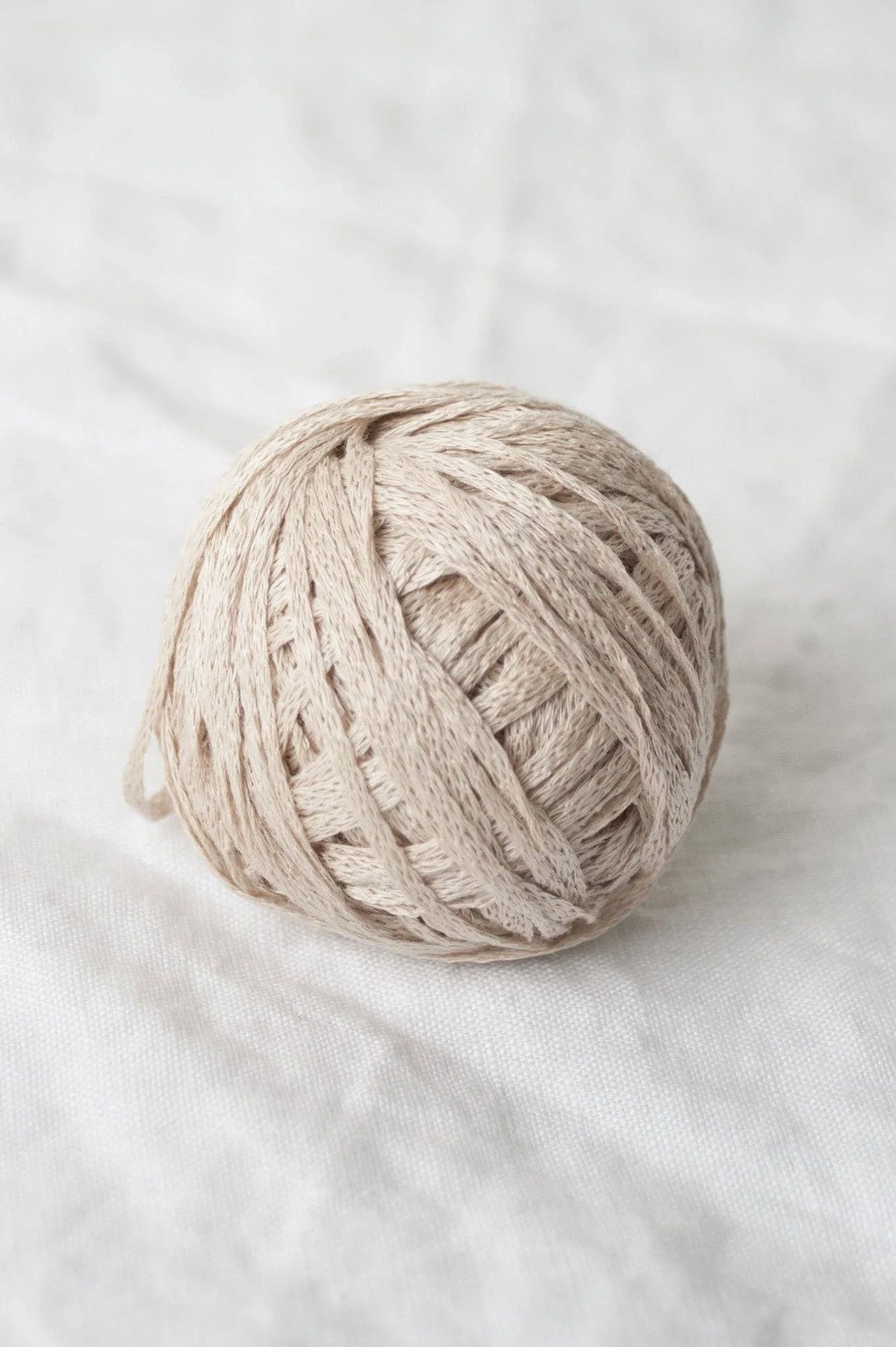
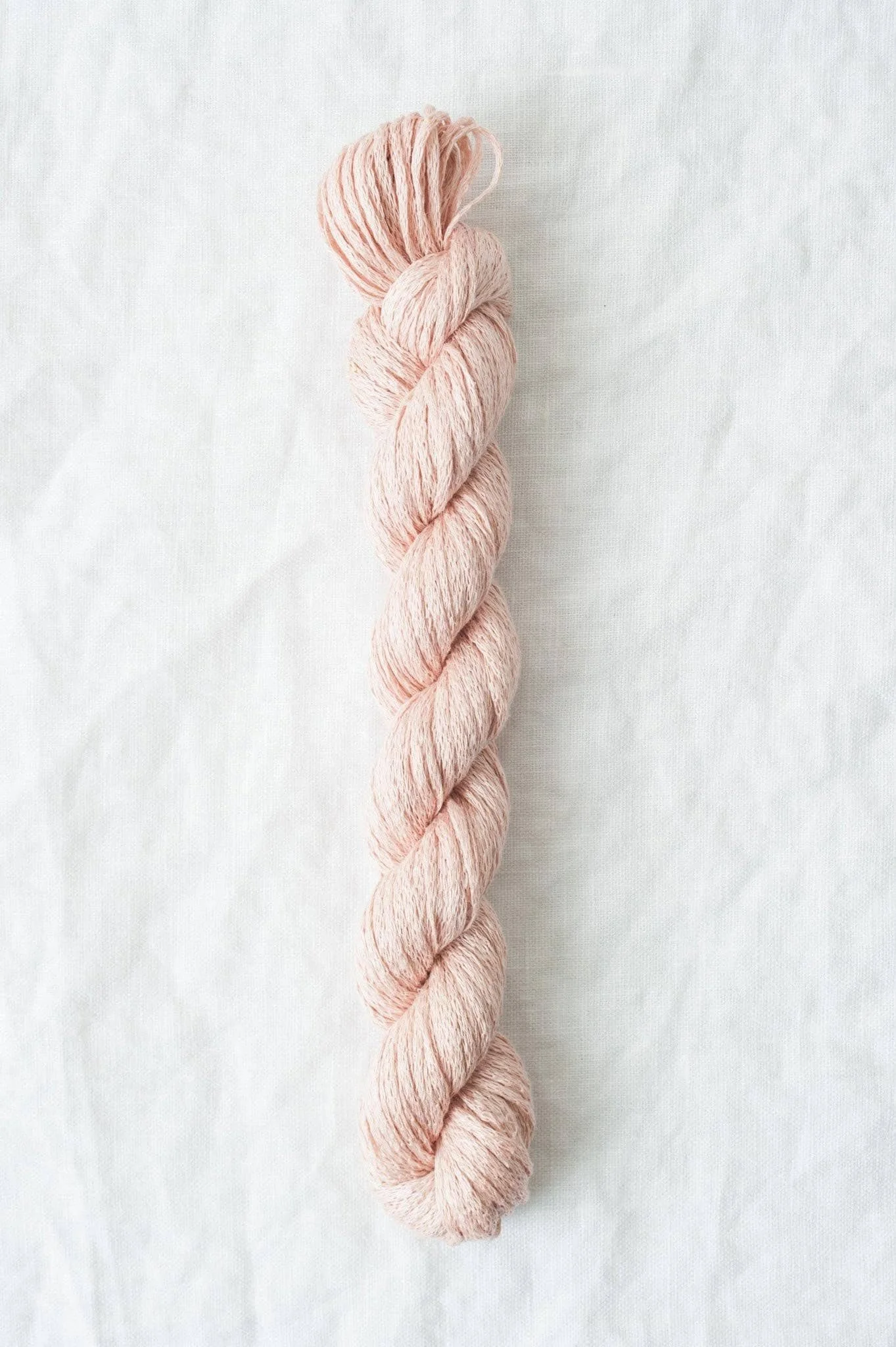
Spotlight: wool & superwash for year-round makes
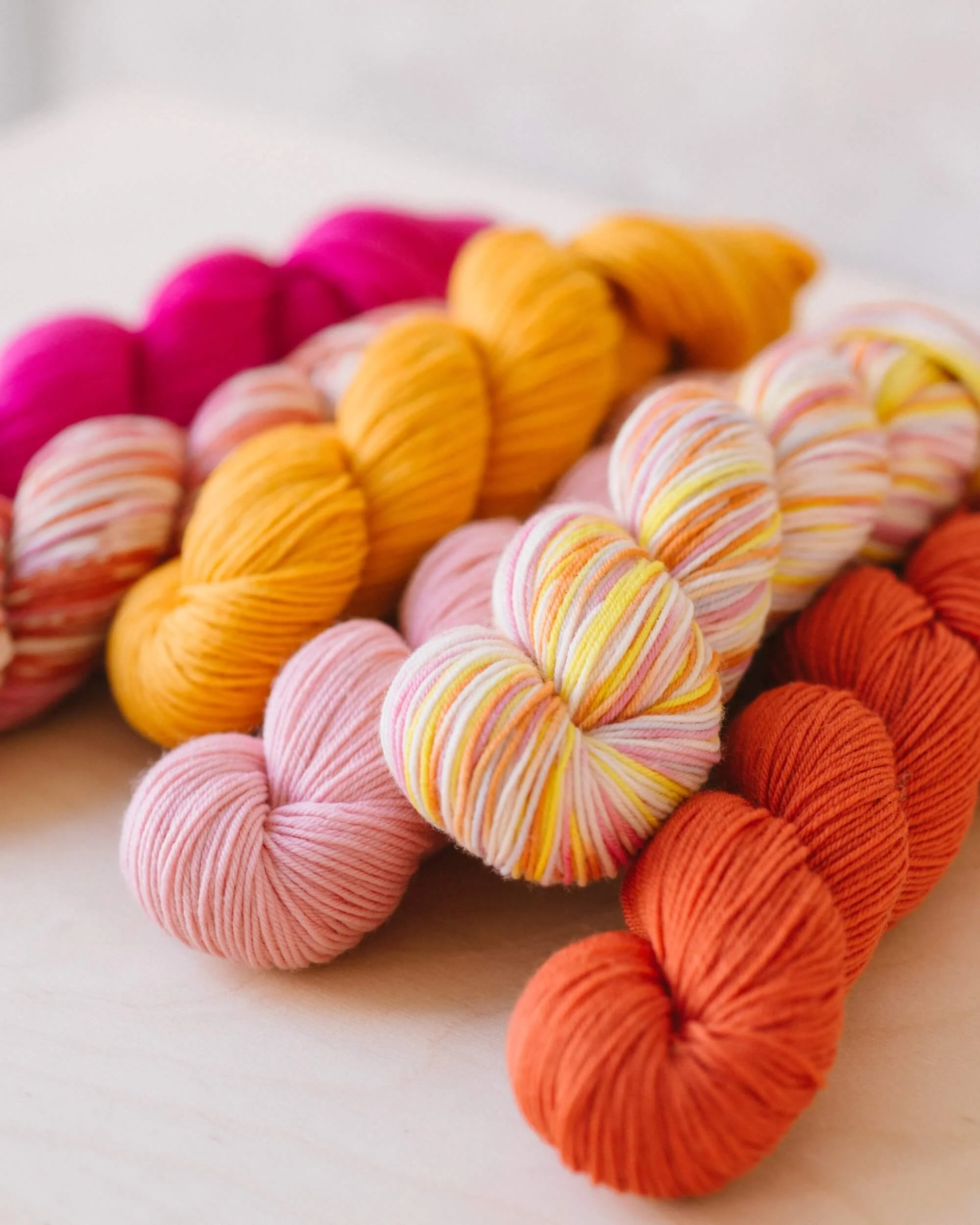
When knitters say they want something “reliable,” they usually mean a yarn that does two things well: it shows stitches clearly and it forgives you for being human. Smooth wool options—especially in fingering weights—are perfect for detailed shawls, lightweight sweaters, and socks.
If you’re choosing a fingering-weight wool for a project you’ll actually wear a lot, superwash can be a practical win. The key is to swatch and block so you know how the fabric behaves after a wash cycle (superwash can relax).
Swatching & gauge: the calm way to get it right
If you’ve ever knit a sleeve that felt like it belonged to a different person, you already know: gauge is not a rule—it’s a relationship. The good news is you can make gauge feel easy with two small habits and the right measuring tools.
Habit #1: Measure yarn thickness when the label isn’t the full story
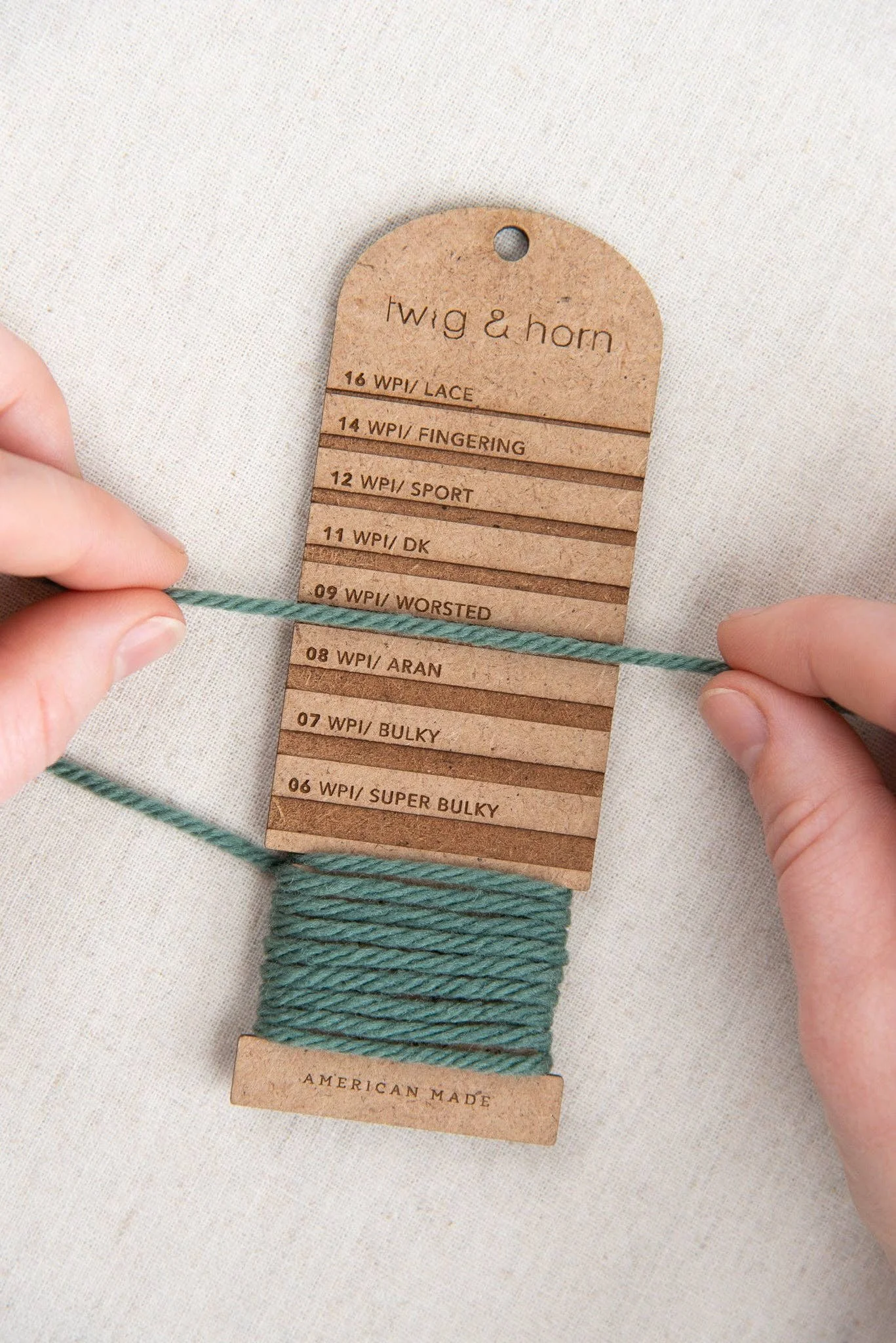
“Fingering,” “sport,” and “DK” are helpful… but some yarns sit between categories. A wraps-per-inch (WPI) tool gives you a quick reality check by letting you wrap the yarn and compare thickness across common weights. :contentReference[oaicite:3]{index=3} This is especially handy if you’re substituting or if you’re matching yarn for a second sleeve months later.

Habit #2: Check gauge on a blocked swatch (and use a ruler you trust)
A square gauge ruler lets you measure stitch and row count cleanly without “eyeballing” (which is how sweaters become surprises). If you’re working with linen, this step is non-negotiable: linen relaxes and changes feel after washing and wearing.
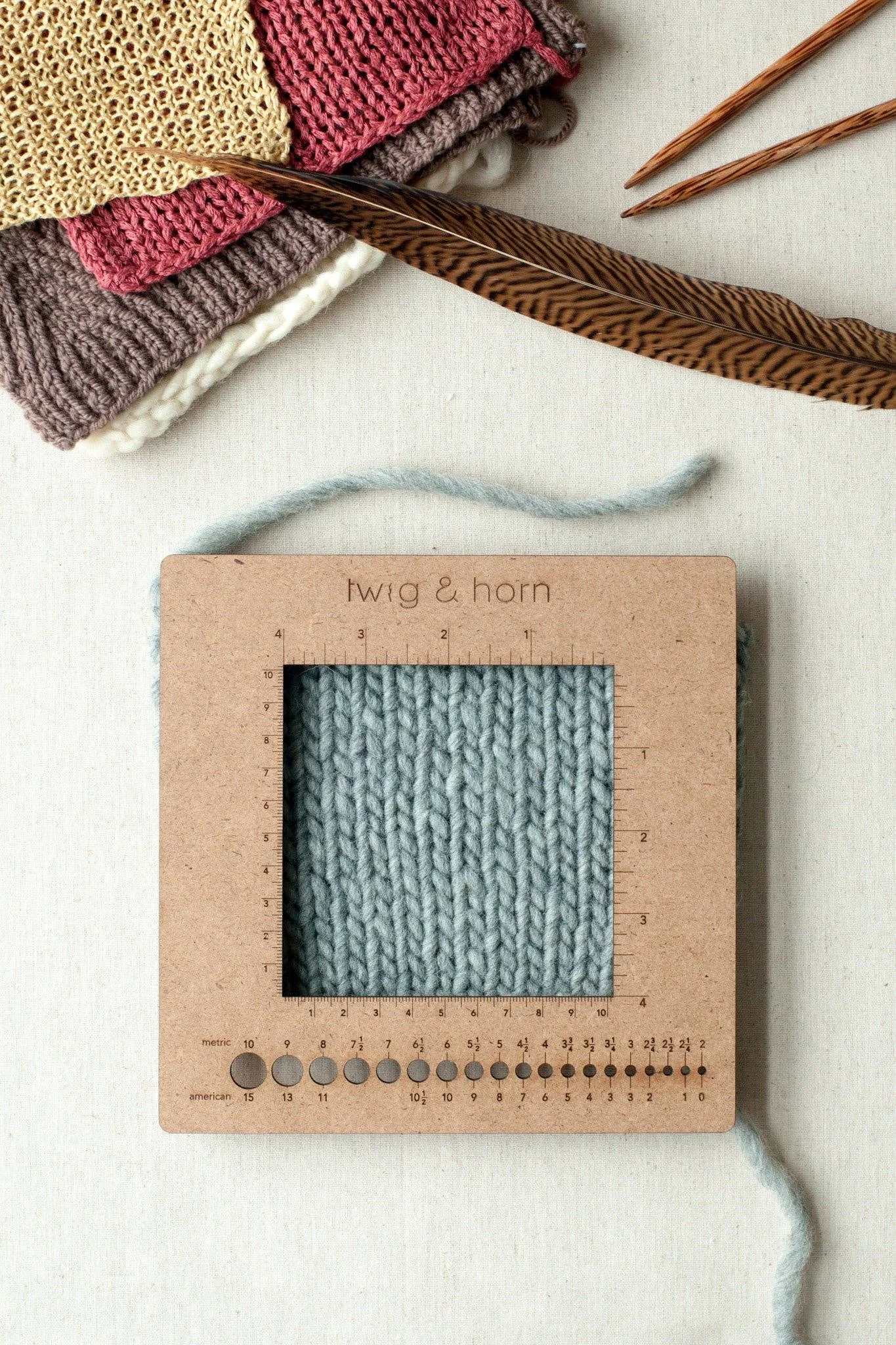
Our favorite “no-drama” swatch size: knit at least a 5–6 inch square, block it as you’ll treat the finished item, then measure in the center area. If you want hands-on help building a swatching routine, See workshops & classes.
Project ideas that shine with Quince & Co.
Quince & Co. fibers do especially well in projects where the fabric matters as much as the pattern. Here are a few “high-success” directions.
1) Summer tees and tanks that don’t feel flimsy
Linen is the obvious hero here, but the trick is to choose a fabric density you’ll actually wear. If you like a more opaque tee, go up a needle size only if your swatch still feels stable. Linen’s drape will do the elegant part for you.
2) Shawls that look expensive (without being complicated)
Fingering-weight wool is ideal for lace motifs, textured repeats, and those “just one more row” projects. Neutral or soft tones highlight stitch patterns, and pastels are surprisingly wearable when the base is calm and modern.
3) Practical accessories: hats, cowls, and giftable knits
If you’re shopping for gifts, consider a simple pairing: a beautiful yarn in a wearable color + a small tool that makes knitting easier. It’s the kind of bundle that feels thoughtful even if the recipient already has a robust stash.
4) Market bags and everyday carry knits
Linen is excellent for bags because it holds up, gains softness, and looks better with use. It’s also a sneaky-good “confidence project” if you’re getting back into knitting after a break.

How to shop Quince & Co. at AriYARN (Park Ridge / Chicago / near O’Hare)
Our approach with Quince & Co. is curated: we focus on fibers and colors that knit beautifully and fit real wardrobes. That means you’ll often see a thoughtful range rather than every color ever made—because we’d rather help you finish a project than overwhelm you with a wall of options.
- Want to browse right now? Start here: Shop our online store.
- Need help building a sweater quantity? Use Contact us for help / holds so we can talk yardage, gauge, and dye lot considerations.
- Prefer in-person color matching? Visit us in Park Ridge—easy access for Chicago and travelers near O’Hare.
Pro tip: If you’re between sizes or you’re substituting yarn, bring (or message) your pattern gauge + needle size. We can usually get you to a confident plan in a few minutes.
Classes, workshops & Stitch N’ Craft Night
Quince & Co. fibers are wonderfully “teachable”—they respond clearly to tension changes, blocking, and good finishing habits. If you want to level up your results (especially with garments), structured learning makes everything click faster.
To learn skills like swatching with intention, garment fit adjustments, finishing, and fiber selection, head to See workshops & classes.
Thursday Stitch N’ Craft Night (5–7 PM)
Our Thursday Stitch N’ Craft Night is a social, community meetup—a cozy space to bring your project, share progress, and enjoy friendly peer feedback. It’s not designed to be official instruction or guaranteed troubleshooting (that’s what our classes and workshops are for), but it’s a wonderful way to stay motivated and connected.
If you’re starting your first linen garment or your first “serious” swatch routine, you’ll love the structured support in See workshops & classes.
Care & finishing tips (linen + superwash)
The best Quince & Co. projects don’t just look good on the needles—they look good after three months of real life. Finishing and care are where that magic happens.
Linen: treat your swatch like your future garment
- Soak, don’t shock: a gentle soak helps linen relax.
- Shape while damp: linen responds beautifully to careful shaping on a towel.
- Expect softening over time: linen often gets better with wear—your garment “settles in.”
Superwash wool: swatch for bloom and relaxation
- Block the swatch: superwash can relax; your swatch tells the truth.
- Support your fabric: if you’re knitting a drapey piece, consider structure in the pattern (ribbing, edges, seams).
- Drying matters: reshape while damp to keep the fabric looking intentional.
If you want a second set of eyes on fiber choice, needle size, or yardage, use Contact us for help / holds. We’ll help you avoid the “almost right” scenario.
FAQ
Is Quince & Co. linen scratchy to knit with?
Linen often feels crisp at first (that’s normal). The key is swatching and washing your swatch—linen typically softens significantly after washing and wear, and the finished fabric is much more comfortable than it feels mid-knit.
How do I choose between linen and wool for a first garment?
Choose wool if you want elasticity and forgiveness (great for first sweaters). Choose linen if you want breathability and clean drape (great for summer tees). Either way, block your swatch and measure before committing.
What is a wraps-per-inch (WPI) tool used for?
A WPI tool helps you measure yarn thickness by wrapping the yarn around a guide and counting wraps per inch. It’s useful when substituting yarn, identifying mystery yarn, or confirming whether a yarn behaves more like lace, fingering, sport, DK, or worsted.
Do I need a gauge ruler if I already have a tape measure?
A gauge ruler makes stitch counting more consistent because it gives you a stable window and clear edges—especially helpful for textured stitches and blocked fabric. It’s a small tool that removes a lot of “measurement anxiety.”
Can I get help choosing Quince & Co. yarn for my pattern?
Yes. The fastest way is to send your pattern name, the recommended yarn weight, your size, and whether you’re open to fiber substitutions. Use “Contact us for help / holds” and we’ll guide you to a confident plan.
Is Thursday Stitch N’ Craft Night a class?
It’s a social/community meetup (5–7 PM) for sharing progress and friendly peer feedback—not official instruction. If you want structured learning or hands-on technique help, check workshops & classes.
