
Why trust this guide
This article is designed for real project planning: comparing how linen and cotton behave in the hand, after washing, and across repeated summer wear so you can choose with more confidence before buying skeins.
As temperatures climb, most makers naturally shift away from lofty animal fibers and toward cooler plant-based yarns. For summer knitting and crochet, the real question is not simply “what feels light?” but rather “what will still look beautiful once the garment is worn, washed, and exposed to heat and humidity?”
That is where the classic summer yarn debate begins. Linen and cotton are both breathable, both popular, and both capable of producing gorgeous warm-weather pieces, yet they behave very differently once they become fabric. If you want a polished tank, a breezy lace tee, a market bag that holds its shape, or a lightweight layer that survives real life, understanding those differences matters far more than following trend language alone.
Linen hangs cooler and more fluidly, especially in openwork tops, relaxed tees, and garments that benefit from elegant vertical movement.
Cotton feels gentler from the start and is often easier for beginners who want softer hand-feel and steadier tension right off the needle or hook.
Blends often offer the sweet spot, combining cotton comfort or bamboo softness with better structure and longer-term drape control.
Linen rewards patience; cotton rewards comfort.
What Is the Difference Between Linen and Cotton Yarn?
If you want the fastest answer, compare how each fiber behaves under the pressures that matter most in summer making: softness, elasticity, moisture, stitch presentation, and long-term shape retention. Those mechanics usually decide whether a finished garment feels crisp and architectural, softly wearable, or frustratingly saggy.
| Mechanical trait | Flax-based linen yarn | Seed-based cotton yarn |
|---|---|---|
| Fiber origin | Cellulose fibers from the flax plant stem | Soft cellulose fibers from cotton seed bolls |
| Natural elasticity | Very low, with almost no bounce | Low to moderate, with slightly more spring |
| Hand-feel over time | Starts crisp, then softens dramatically with washing | Usually soft from the first stitch and stays familiar |
| Strength | Very strong and highly durable in use | Durable, practical, and easy for everyday wear |
| Moisture behavior | Breathable and comfortable in heat, with a drier feel | Highly absorbent and can become heavier when saturated |
| Best visual effect | Fluid, organic drape and refined openwork | Crisp, tidy, well-defined stitches and texture |
| Best use cases | Lace tops, summer tees, drapey tanks, elegant layers | Baby items, structured accessories, easy-care tops, dishcloths, totes |
In short: linen usually wins on drape and coolness, while cotton often wins on softness and immediate ease of use.
Why Is Linen Yarn Perfect for Hot Weather Knitting?
Linen can feel a little surprising when you first touch it. Compared with soft wool or polished cotton, it often seems crisp, dry, and even slightly stubborn in the skein. That first impression causes many makers to underestimate it. In fabric form, though, linen reveals its real strength: it creates a cool, breathable cloth with graceful movement and excellent warm-weather presence.
Because flax fibers are long and structurally strong, linen thrives in openwork styles like pointelle knits, lace cardigans, and loose vests. It tends to hold a cleaner vertical line rather than bouncing back with wool-like memory. When you knit or crochet linen into lace, mesh, or relaxed stockinette, the resulting fabric usually develops an elegant lived-in drape instead of puffing outward. That quality makes it especially appealing for summer tops, layering shells, and pieces meant to skim rather than cling.
Linen also changes beautifully with wear. What begins crisp can soften substantially through washing and repeated use, producing a more supple hand-feel over time. For many experienced summer makers, that evolution is exactly the point: linen rewards patience with a fabric that often gets better after the project leaves the needles.
Sparrow
Fingering Weight • 100% Linen
A beautiful, clean-spun plain linen with a crisp hand out of the skein that washes up into a soft, breathable summer fabric with historic vertical drape.
View colorways & shop →Kestrel
Aran Weight Ribbon • 100% Linen
A unique ribbon-structure linen that works up quickly on larger needles. Perfect for casual summer sweaters, summary tanks, and structured open styles.
View colorways & shop →How Does Cotton Yarn Perform in Summer Crochet Projects?
Cotton wins people over immediately. It is approachable, familiar, and soft enough that many knitters and crocheters feel comfortable with it from the very first row. If linen can feel refined and architectural, cotton often feels forgiving and friendly.
That softness makes cotton a natural choice for baby garments, close-to-skin tops, simple summer tanks, washcloths, and utility projects that need to feel pleasant right away. It also tends to present stitches cleanly, which is useful when you want visible texture, tidy ribbing, or straightforward fabric with minimal break-in.
The caution with cotton is weight and moisture. Heavier cotton fabrics can absorb humidity, perspiration, and water readily, and once that happens, a large garment may elongate more than expected. For oversized tops, beachwear, or dense accessories, it is worth thinking carefully about gauge, fabric density, and whether a blend might give you better long-term structure.
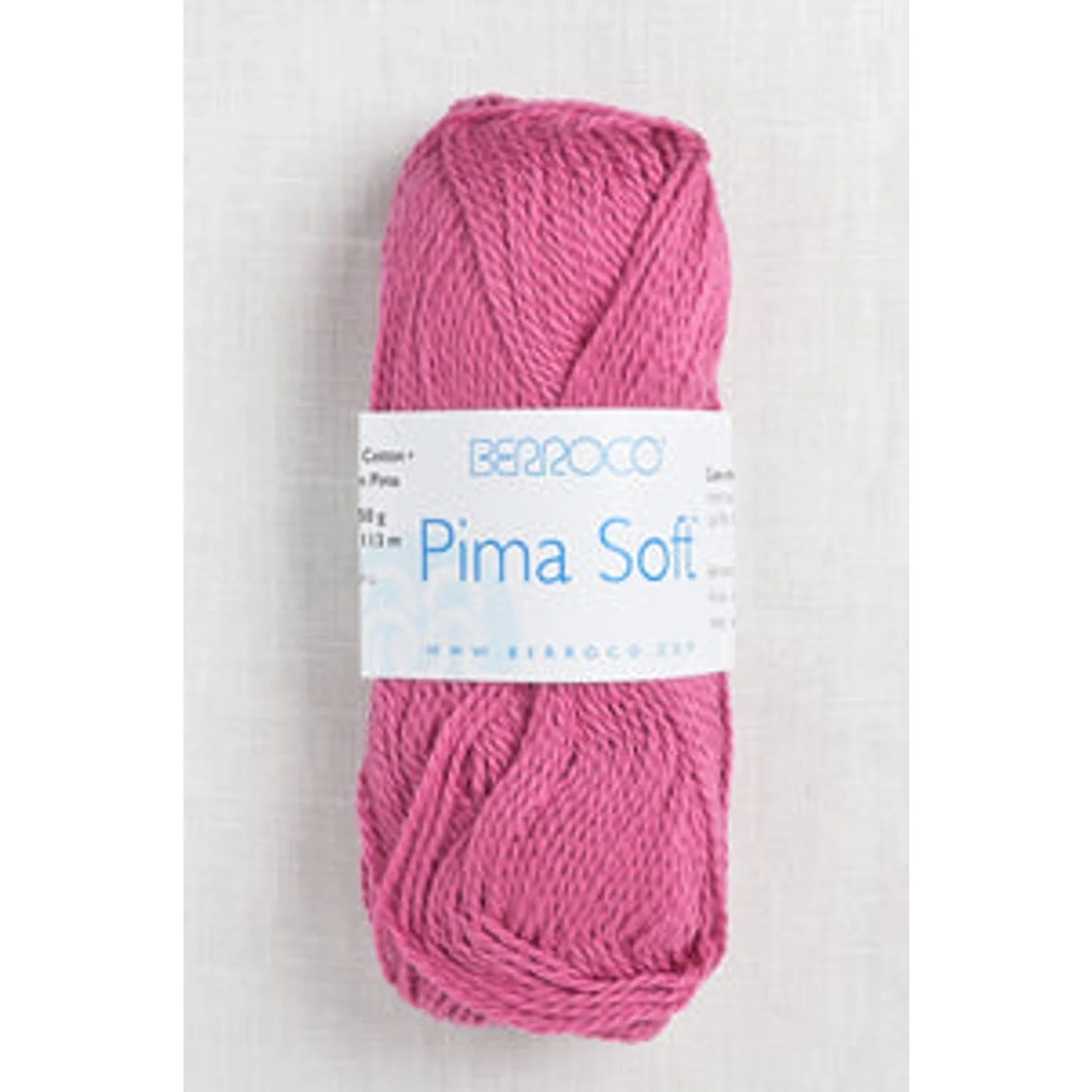
Pima Soft
DK Weight • 100% Pure Pima Cotton
An easy-to-love cotton option with a soft hand and clean stitch appearance for tanks, baby pieces, and simple everyday tops.
View colors & shop →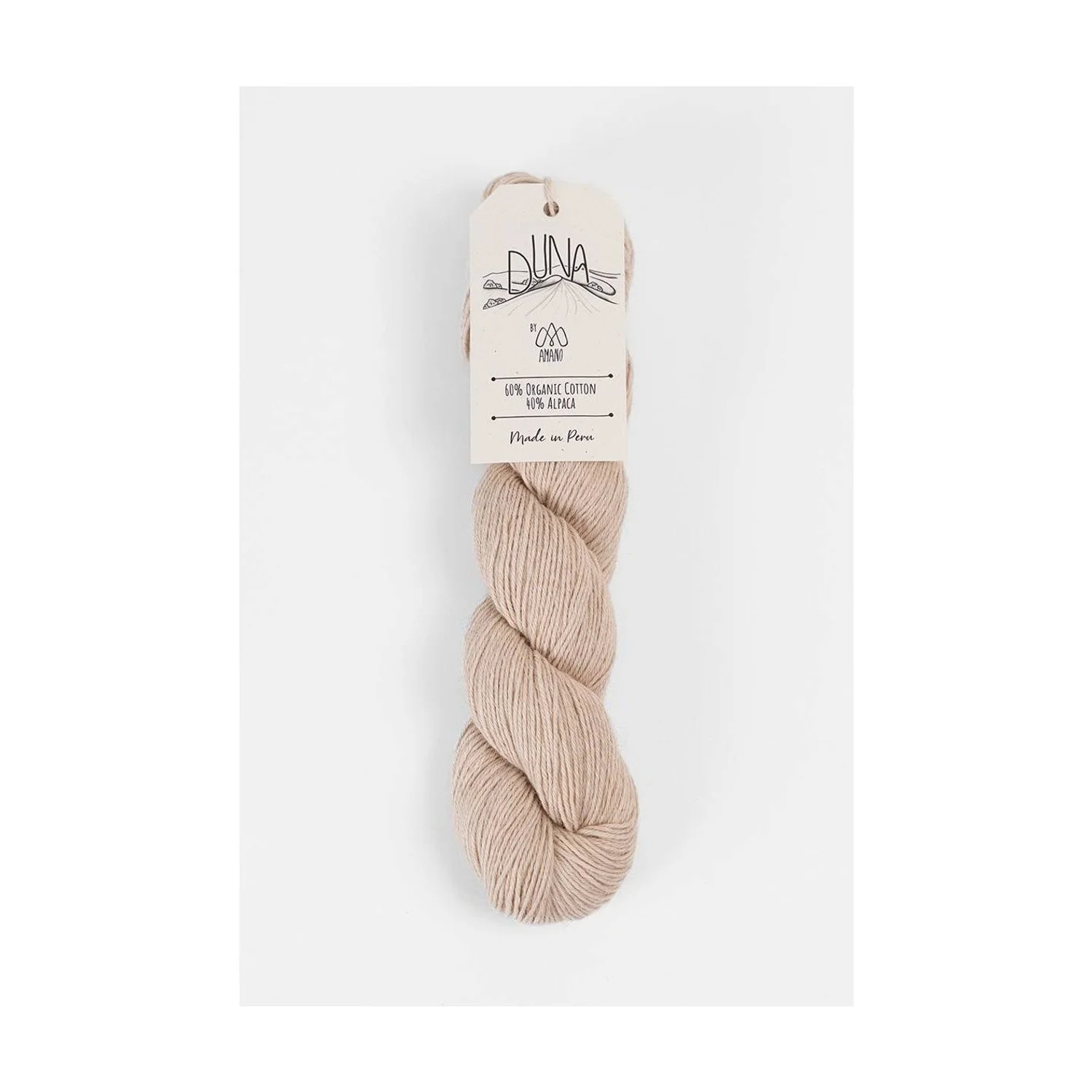
Duna Organic Cotton
DK / Light Worsted • 100% Organic Cotton
A grounded, everyday organic cotton choice with beautiful tonal depth for casual garments and comfortable summer staples.
View colors & shop →Blend Spotlight: When You Want the Best of Both
If linen sounds too crisp and pure cotton sounds too absorbent, blends are often the most balanced answer. Cotton-linen yarns offer softer entry, better structural memory, and more forgiving day-to-day wear while still preserving a polished summer look.
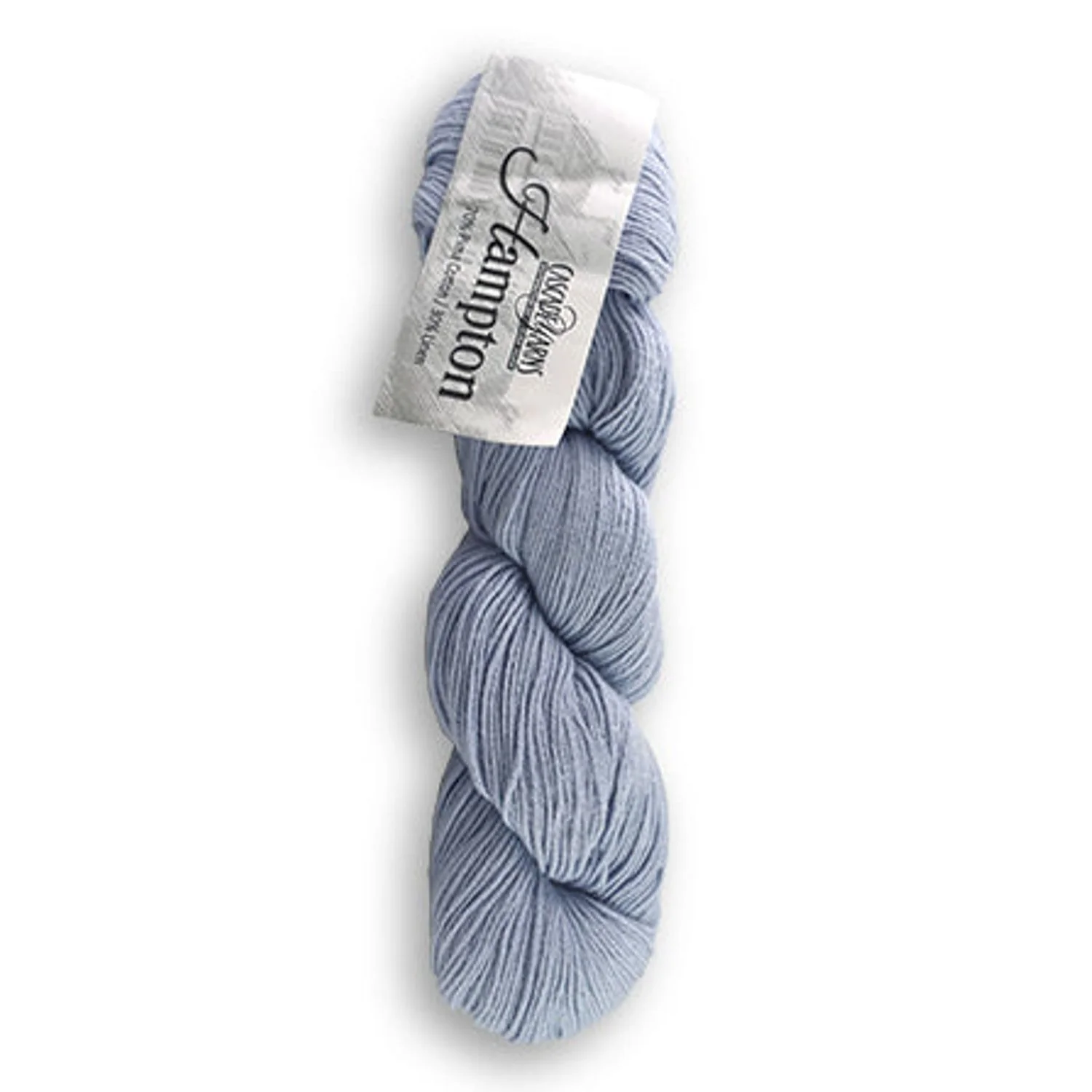
Cascade Hampton
DK Weight • 70% Pima Cotton, 30% Linen
A versatile warm-weather blend with appealing structure and approachable softness for summer garments that need both poise and practicality.
Shop Hampton →How Do You Manage Gauge and Stretch in Plant-Based Fibers?
The most important technical reality of plant-based yarns is that they do not behave like wool. Wool often springs back thanks to natural crimp and elasticity. Linen and cotton do not. Once worked into fabric and exposed to moisture, gravity and wear can change the finished dimensions far more noticeably.
That is why swatching for summer projects is not optional, especially for tanks, tees, and drapey tops. If you skip the wash test, you are not measuring the final garment—you are measuring a temporary version of it.
- Make a generous swatch: Knit or crochet at least a 6-inch square in the exact stitch pattern you plan to use.
- Measure it dry: Record stitch and row counts before washing.
- Wash it realistically: Launder the swatch the same way you expect to care for the finished piece.
- Dry it flat: Let the fabric settle naturally without forcing it into shape.
- Measure again: Use the post-wash gauge for your final sizing calculations.
This one habit prevents many of the common frustrations associated with plant fibers: stretched-out straps, longer-than-expected hems, and garments that feel perfect during making but disappointing after their first wash.
How Many Skeins Do I Need for a Summer Knit Tank Top?
Summer garments often use fine fingering, sport, or light DK yarns that pack a surprising amount of yardage into small skeins. That makes estimation feel deceptively easy, but it also means a small mistake can leave you short in the middle of a project—especially when dye lot consistency matters.
If you are planning a camisole, shell, vest, or lace top, use our online tool after washing your gauge swatch. Enter your wet-blocked gauge, garment type, and body measurements to build a more reliable yardage estimate before purchasing.
Where Can I Find Premium Summer Yarns and Craft Classes Near Chicago?
Choosing between cotton and linen is often easier in person. Hand-feel, stitch bounce, softness, and drape become much clearer once you can compare yarns side by side and talk through your actual project goals with someone who understands fiber behavior.
Our storefront and learning studio is located at 153 N Northwest Hwy, Park Ridge, IL 60068, directly across from the Park Ridge Metra Station and conveniently close to O’Hare. If you are local to Park Ridge, Des Plaines, or the northwest suburbs, it is an easy stop for touch-testing summer yarns before you commit to a garment plan.
We also host our free Stitch n' Craft Night every Thursday from 5:00 PM to 7:00 PM, giving you a relaxed setting to swatch, ask questions, and compare fibers with other makers. For more structured help, visit our workshops dashboard to reserve a seat in an upcoming session.
Plan your next summer project
Start with fiber selection, then confirm yardage, then shop from the same dye lot while the right yarn is still available.
