
Gnome Depot Yarn Buying Guide: Hand-Dyed Fingering, DK & Bulky Colorways (And Where to Find Them Near Chicago)
Gnome Depot Yarn Buying Guide: Hand-Dyed Fingering, DK & Bulky Colorways (And Where to Find Them Near Chicago)
If you love color that looks alive in your stitches, Gnome Depot is one of those brands that makes you pause at the wall and think, “Okay… I need a plan before I fall in love with six skeins.” This guide walks you through choosing the right weight, picking colorways that behave the way you want, and buying the right amount the first time—plus how to check current availability at AriYARN.
On this page
- Quick answers (at a glance)
- What to expect from Gnome Depot
- Choosing a weight: fingering vs DK vs bulky
- How Gnome Depot colorways behave in stitches
- How much yarn to buy
- Pairing & colorwork tips
- Swatching & matching skeins
- Project ideas by weight
- Finding Gnome Depot at AriYARN
- Stitch N’ Craft Night (community vibes)
- FAQ
Quick answers (at a glance) ✨

What to expect from Gnome Depot
Gnome Depot is the kind of yarn brand that rewards a little intention. The color is the headline—bold shifts, playful blends, and tonal depth that looks different in the skein than it does once it becomes fabric. That’s not a warning; it’s the fun. But it does mean you’ll have a better experience when you shop with three things in mind: weight, color behavior, and quantity.
At AriYARN, we keep our Gnome Depot selection curated and rotating. That means you’ll often see fresh color stories and seasonal vibes, but you shouldn’t assume a colorway will still be here next week (or even tomorrow). If you’re planning a larger project, the best move is to check what’s currently available and grab your full quantity together.
Choosing a weight: fingering vs DK vs bulky
Gnome Depot shows up beautifully across weights, but each one behaves differently in real life. Here’s a practical way to choose, especially if you’re trying to match yarn to your attention span, your climate, or your project timeline.
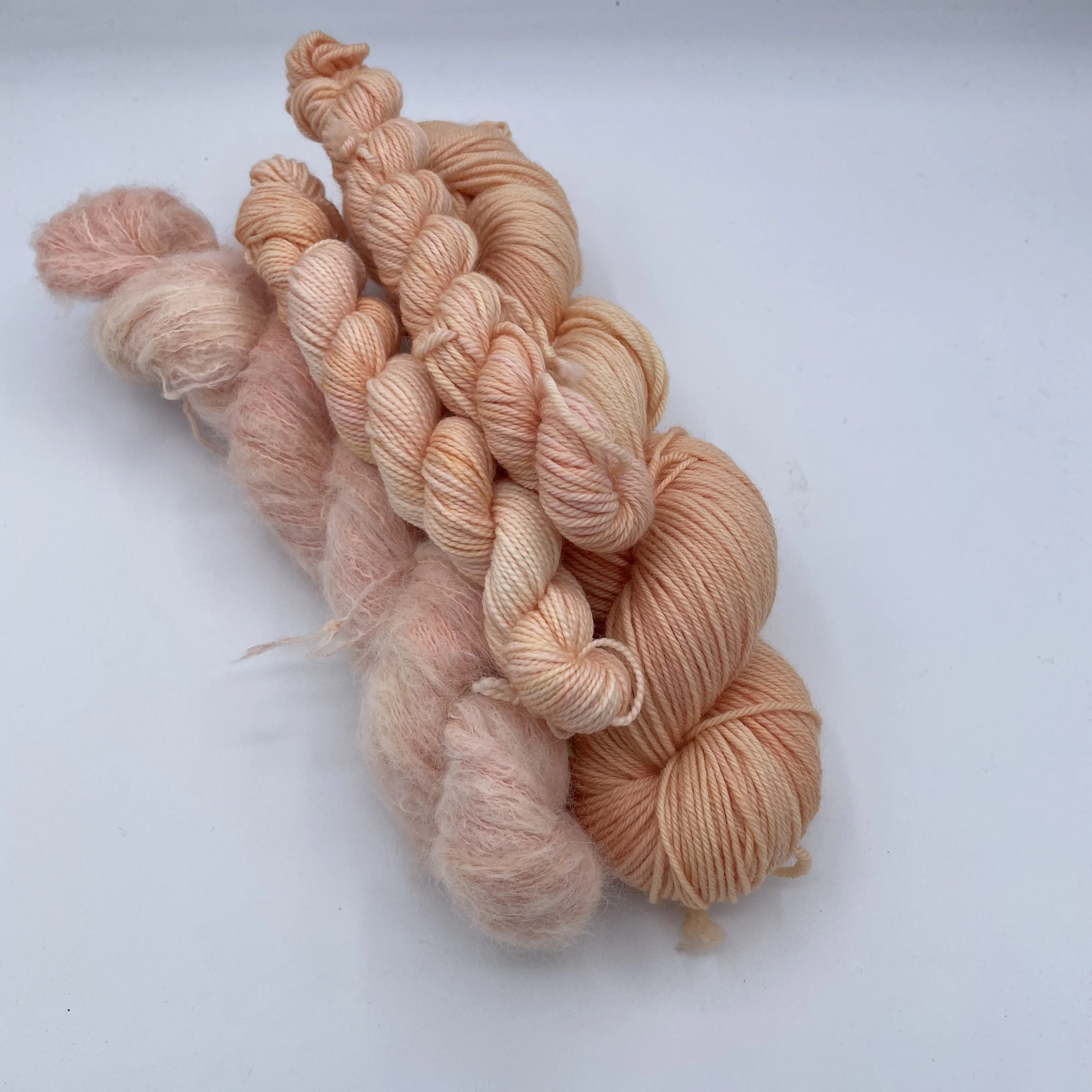
Fingering weight: detail, drape, and the “one-skein masterpiece”
Fingering weight is where hand-dyed color can feel the most nuanced. You’ll see subtle shifts, painterly speckles, and smooth gradients that make simple stitches look expensive. Fingering is ideal for socks, shawls, lightweight scarves, and colorwork accessories where you want crisp definition.
DK weight: the “do everything” option
DK sits in the sweet spot: warm enough for garments, light enough to wear most of the year, and fast enough to feel rewarding. It also plays nicely with textured stitches—ribbing, moss stitch, cables—because DK has enough body to show structure while still letting the color come through.
Bulky: cozy speed (and gift-friendly wins)
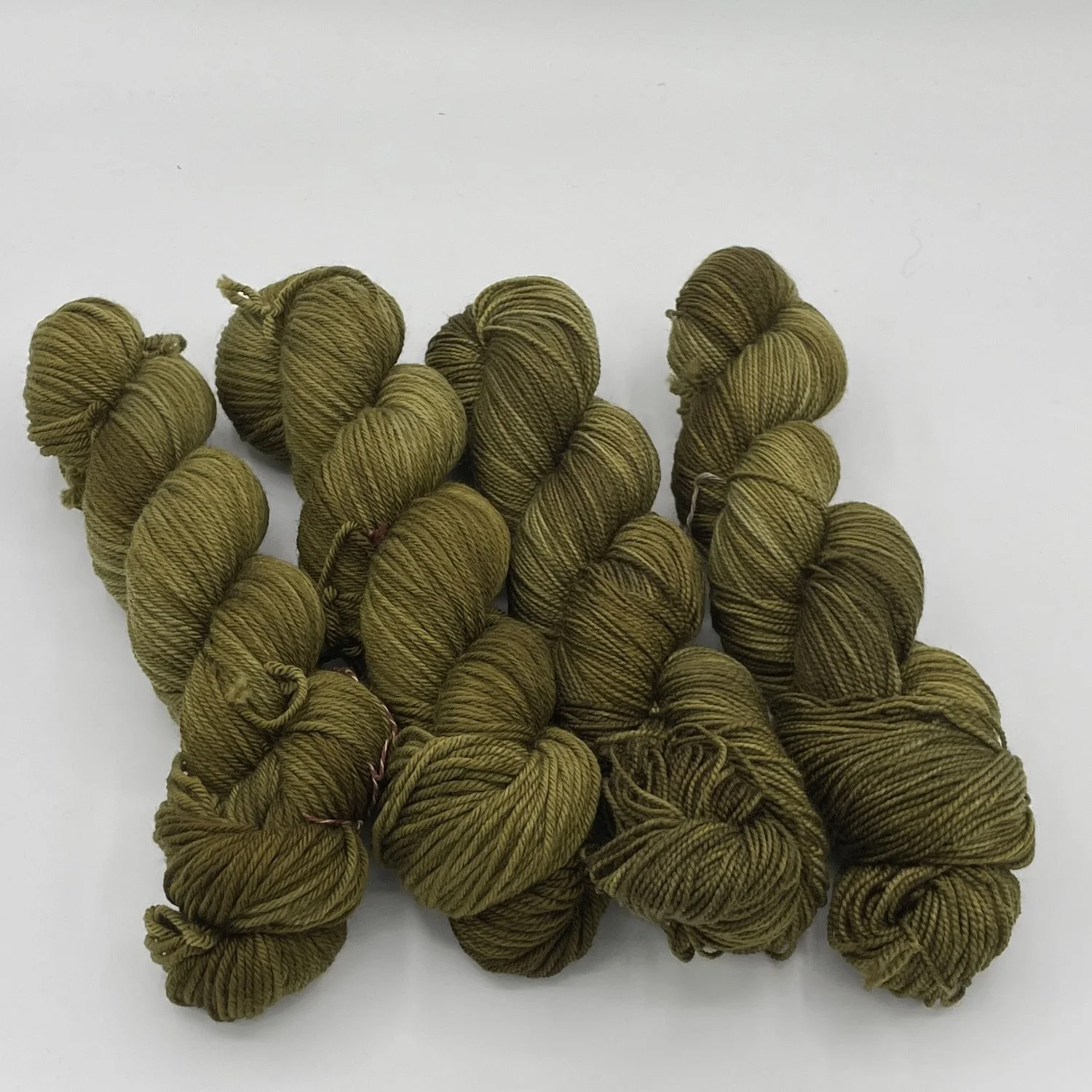
Bulky yarn is your “I want this done now” choice—perfect for hats, cowls, quick scarves, and instant-gratification home accessories. With hand-dyed color, bulky can read more graphic because the color changes happen over fewer stitches. That’s great if you want bold impact. If you prefer a quieter look, choose solids or lower-contrast blends.
How Gnome Depot colorways behave in stitches
Hand-dyed yarn is a little like cooking without a strict recipe: the ingredients are the same, but the outcome depends on how you handle it. The good news is you can predict most “surprises” by thinking about contrast and color distribution.
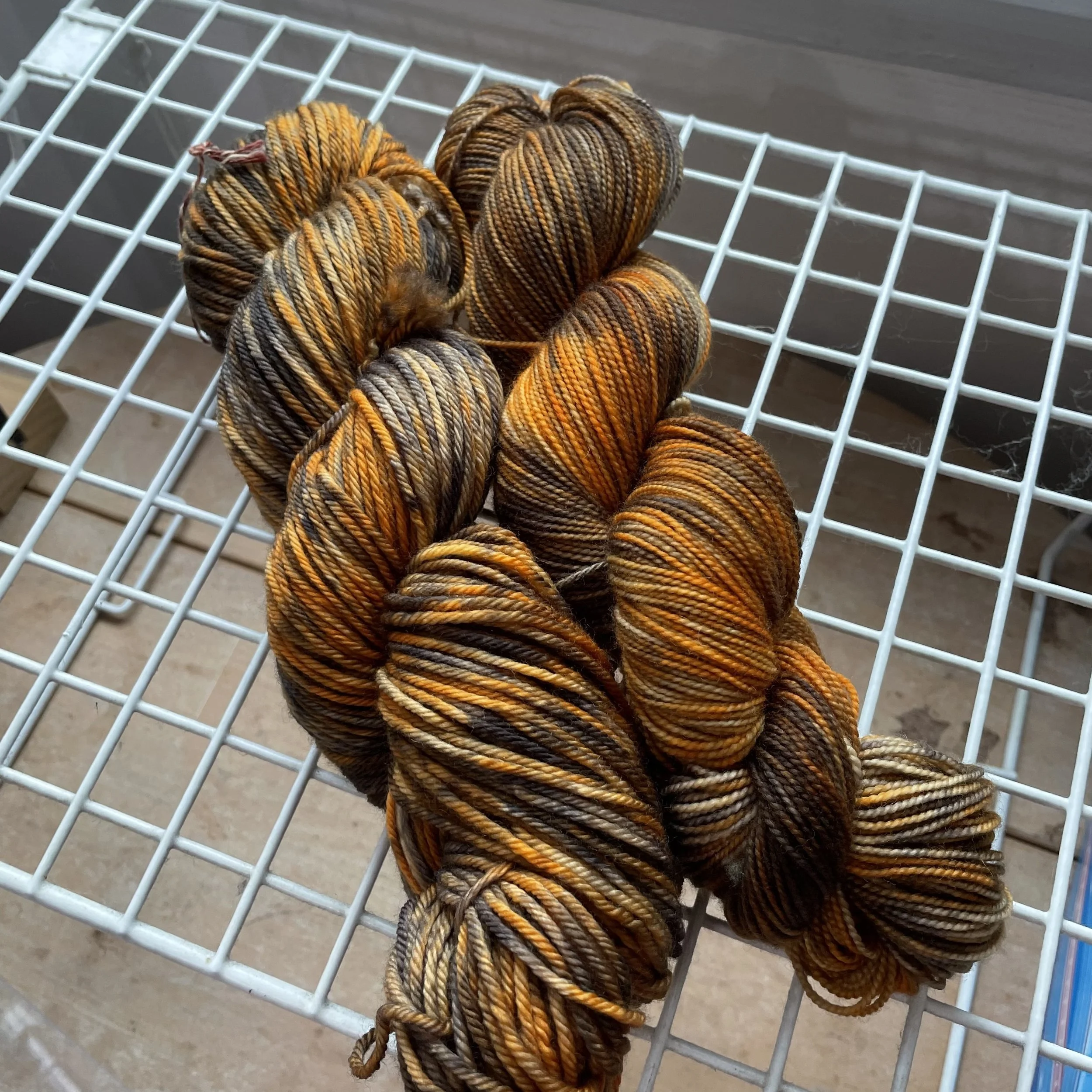
High contrast = bold pooling and graphic energy
When you combine light and dark in the same skein (like orange + black), your stitches create sharper edges. In stockinette, that can look like dramatic flashes and pooling; in textured stitches, it gets broken up into a more random, sparkly effect.
Tonals & layered shades = blended, wearable fabric
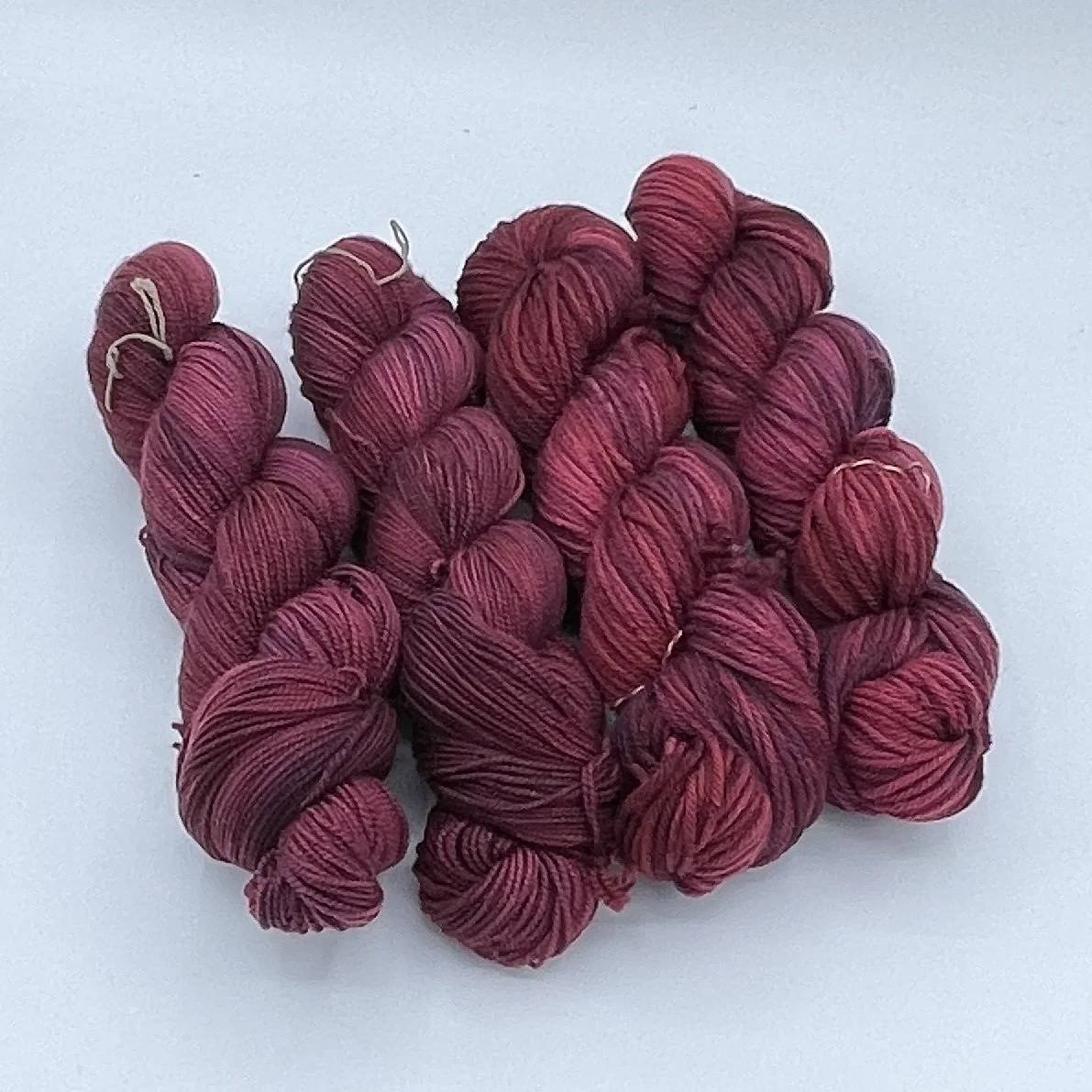
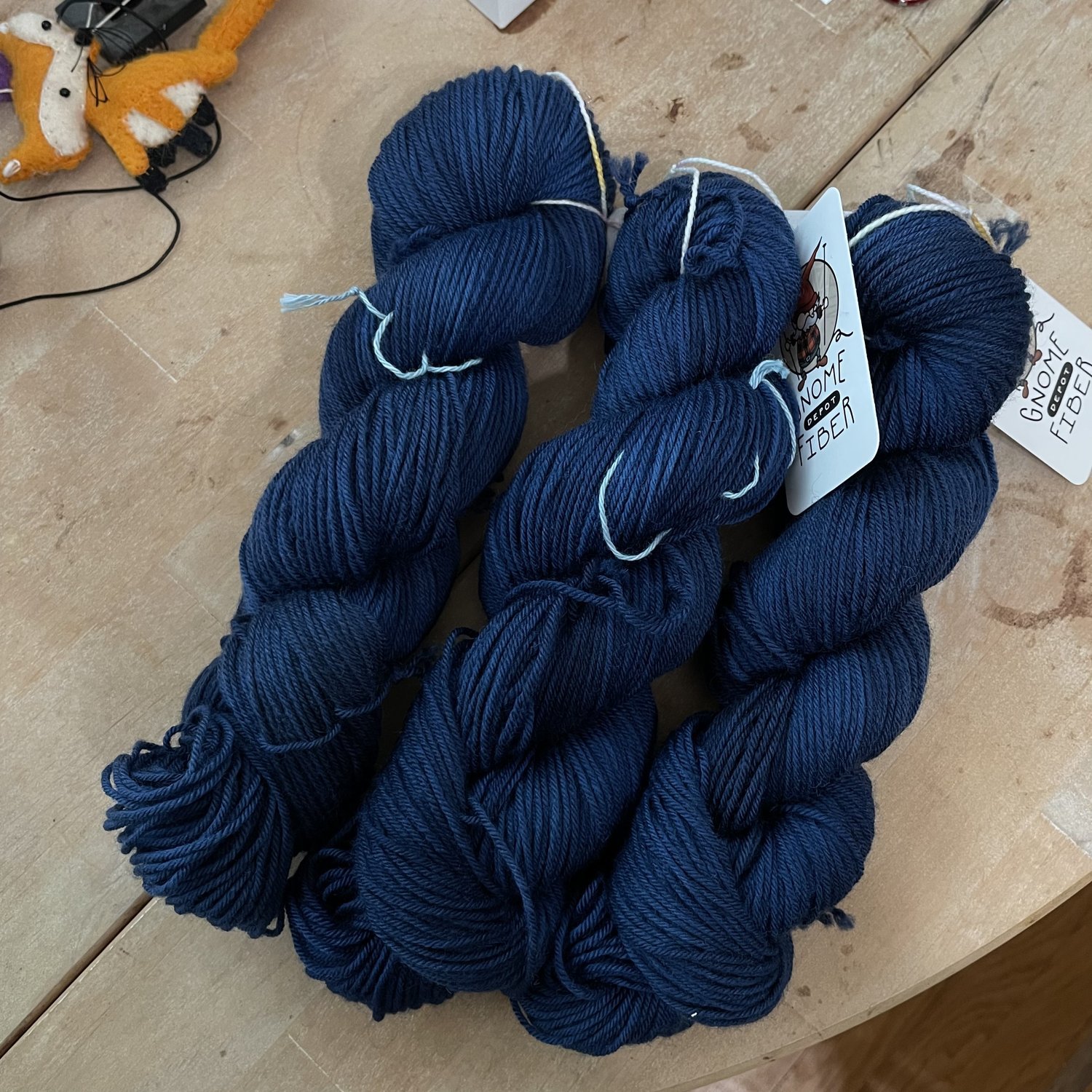
Tonal colorways (and palettes built from neighboring shades) tend to look “expensive” and easy to style. They also hide minor skein variation better. If you’re buying for a sweater, this is often the safest lane—especially if you want the color to feel rich but not loud.
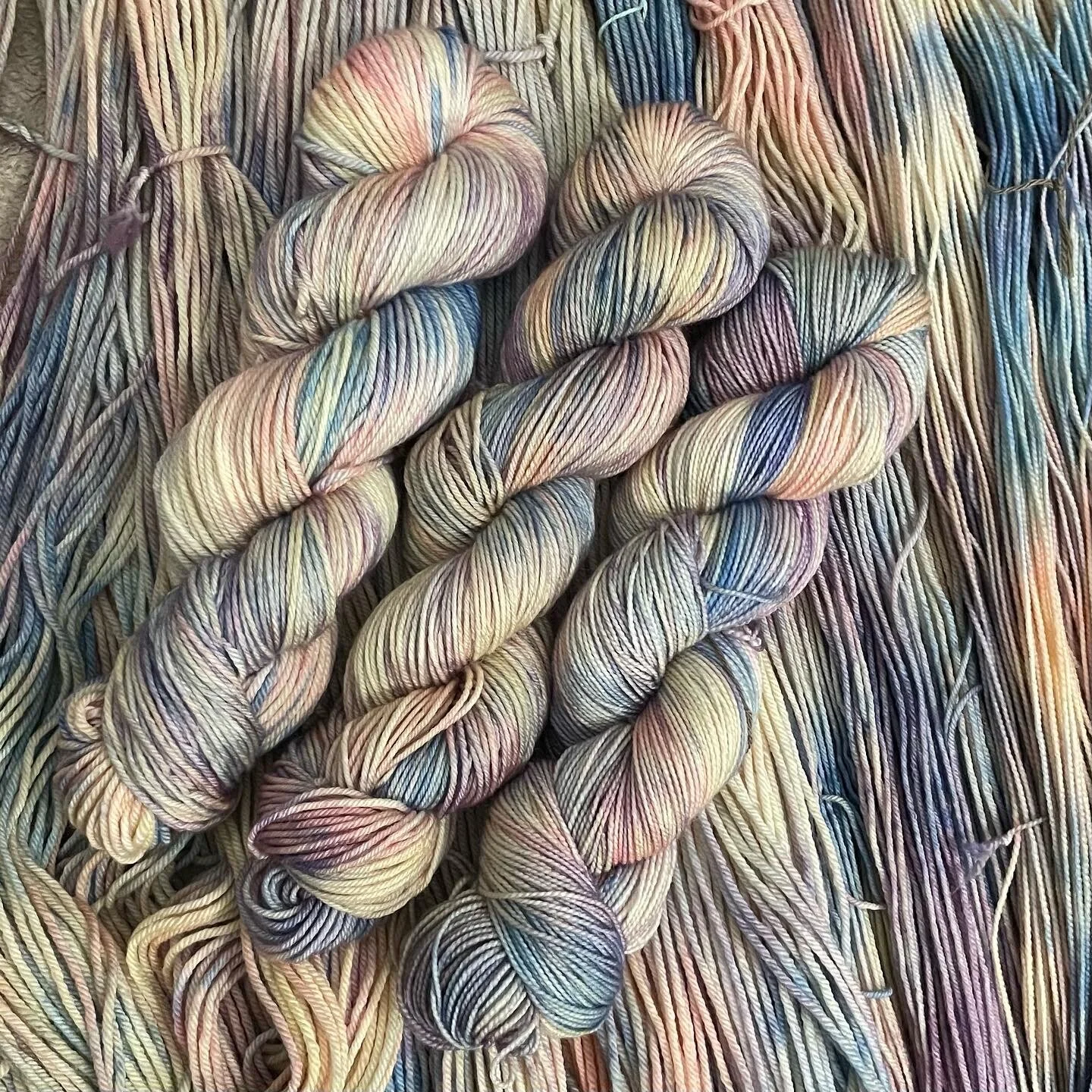
Variegated blends = playful movement
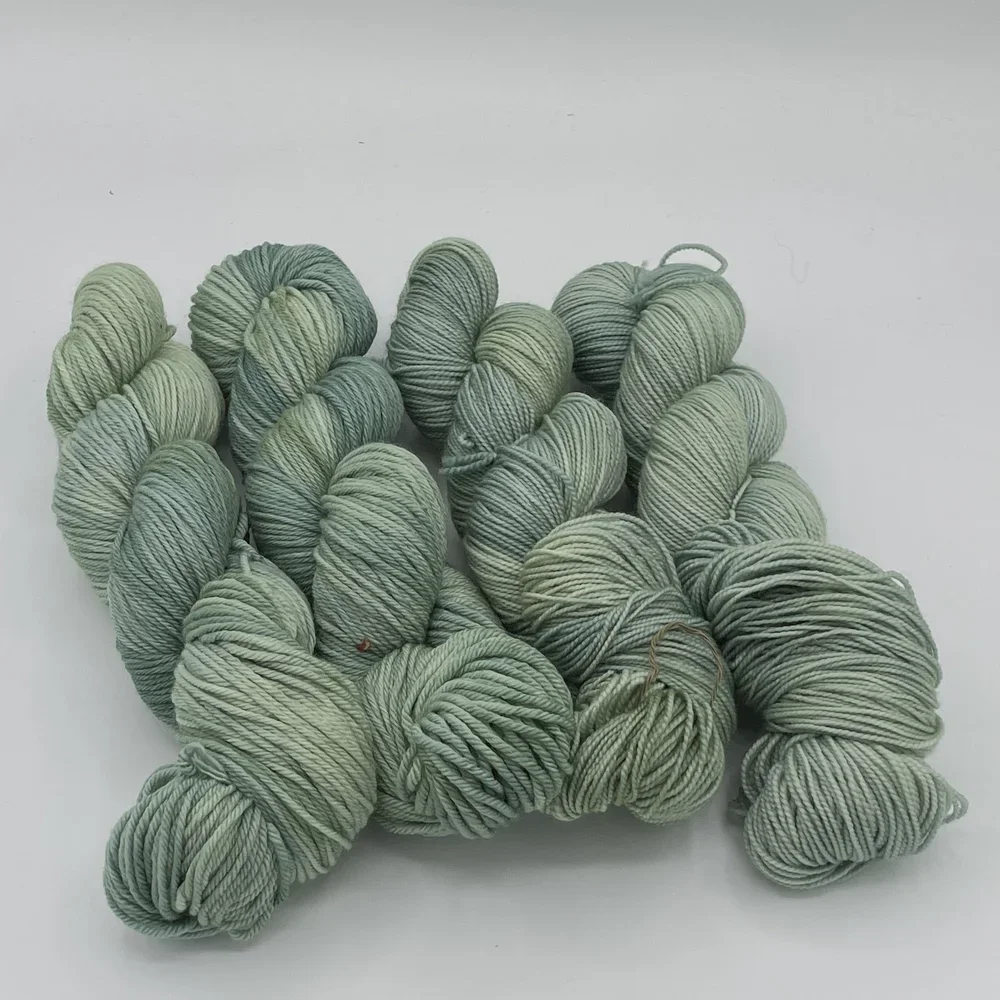
Multi-color blends (especially in fingering) can be the most fun for accessories and statement pieces. The key is matching the pattern to the color. Simple stitch patterns let the yarn do the talking; busy stitch patterns can compete with the color and feel chaotic.

How much yarn to buy (without overbuying)
The most common hand-dyed regret is buying “almost enough.” Because small-batch dye work can vary between skeins—and because a colorway might sell out—your safest strategy is to buy the full quantity you need in one go. If you’re unsure, it’s better to buy a little extra (especially for sleeves, collars, and pattern adjustments) than to chase a perfect match later.
Quick yardage planning (use as a starting point)
Every pattern is different, but these ranges help you plan. When in doubt, follow the pattern’s yardage recommendation and then add a buffer if you’re between sizes or customizing length.
- Hat (DK / bulky): typically 1 skein (sometimes 2 for slouchy or colorwork)
- Cowl (DK / bulky): 1–2 skeins depending on height and stitch density
- Socks (fingering): 1 skein for many sizes; 2 skeins for tall cuffs or larger sizes
- Shawl (fingering): 1–3 skeins depending on shape and size
- Sweater (DK): varies widely—plan for multiple skeins; buy all at once if possible
Pairing & colorwork tips (so your project looks intentional)
Pairing hand-dyed yarn is less about rules and more about choosing what you want the eye to notice first. Here are the pairing strategies that work reliably with Gnome Depot-style color:
If you’re planning colorwork, take a quick phone photo of the skeins in black-and-white (or lower your screen brightness). This removes the “pretty color distraction” and shows you contrast clearly. If the skeins become the same gray value, the colorwork will blend. If one looks much darker than the other, your motifs will pop.
Swatching & matching skeins (the “alternate skeins” cheat code)
Swatching sounds like homework, but with hand-dyed yarn it’s actually a shortcut—because it tells you how the color will land in your stitch pattern and whether you’ll love the vibe at sweater scale.
When to alternate skeins
If you’re knitting a garment (or any large area of stockinette) with multiple skeins of the same colorway, alternating skeins is the easiest way to blend subtle differences. The idea is simple: work two rows with skein A, then two rows with skein B, repeating as you go. This breaks up “stripey” transitions and makes the fabric look cohesive.
Project ideas by weight (what Gnome Depot is especially good for)
Fingering: socks, shawls, light accessories
Fingering weight is where you can lean into color artistry. If you want the yarn to be the “pattern,” pick a simple shawl shape or an accessory with clean lines. If you want a little structure, consider slip-stitch textures that create movement without competing with the dye.
DK: sweaters, scarves, hats, textured stitches
DK is friendly for both knitters and crocheters because it builds fabric quickly without feeling heavy. It’s also the easiest weight to recommend when someone says, “I want a wearable piece that shows color but doesn’t scream.”
Bulky: instant cozy gifts
Bulky yarn is perfect for last-minute gifting: hats, cowls, oversized scarves, and quick home accessories. It’s also great if you’re testing out a new color palette and want a fast win.
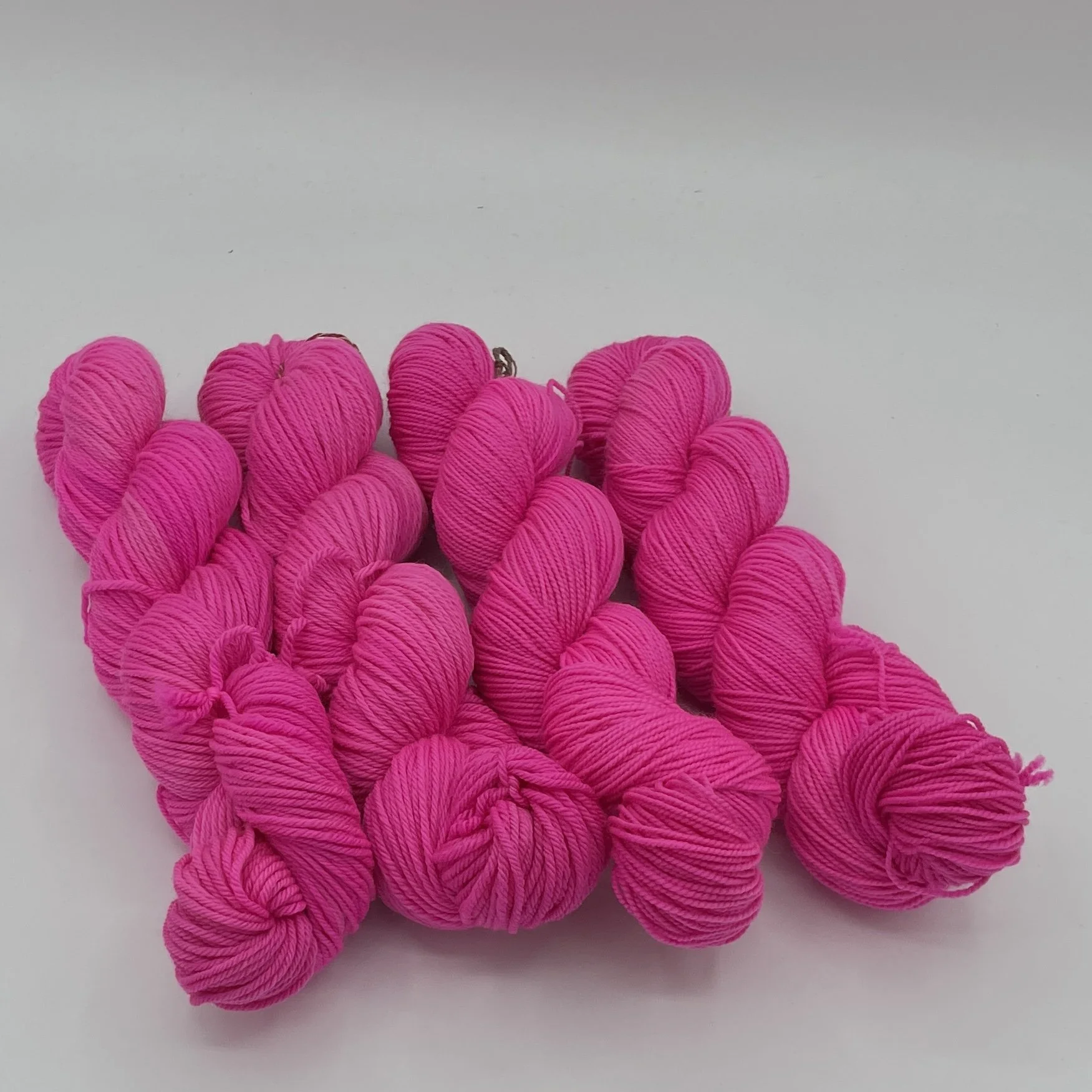
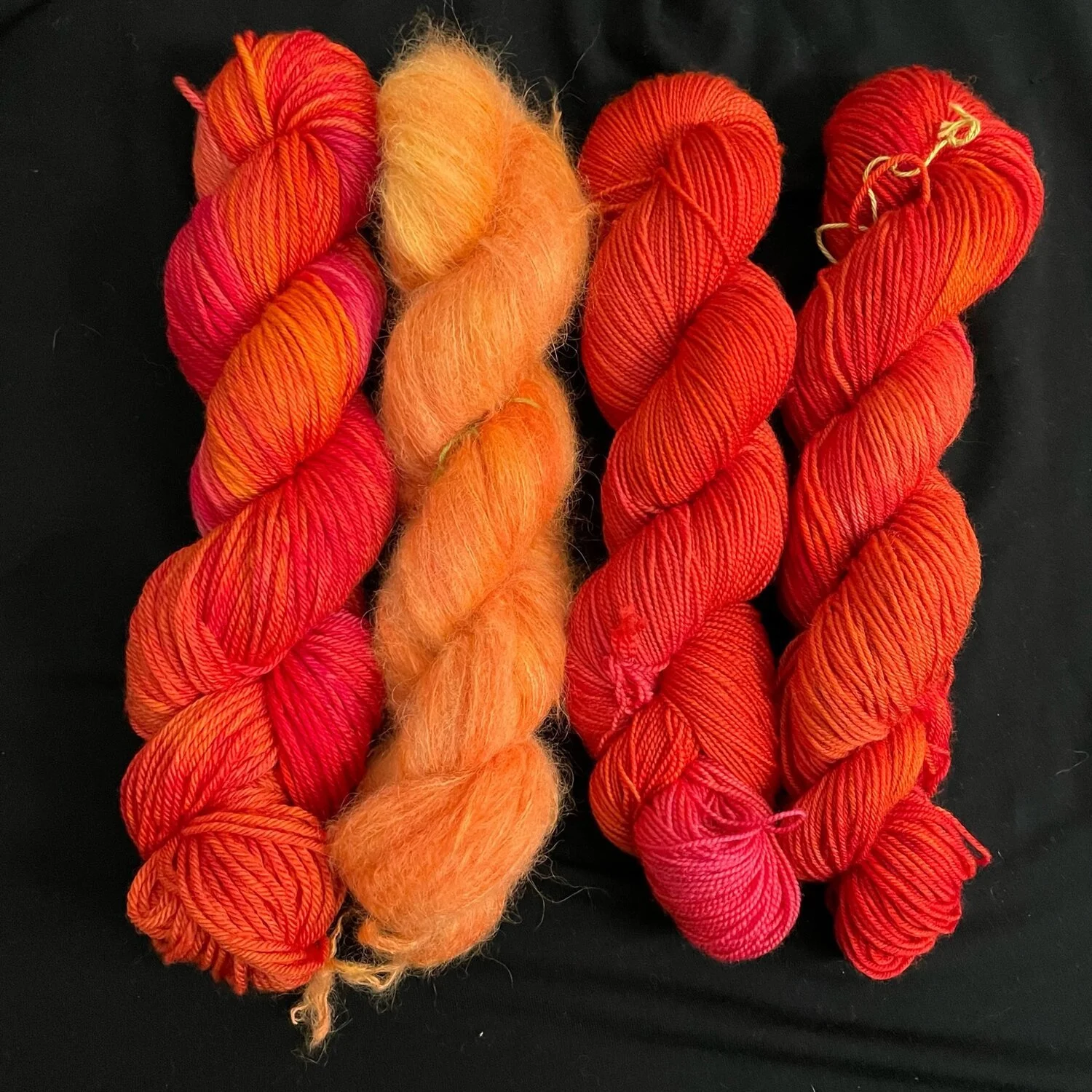
Finding Gnome Depot at AriYARN (Park Ridge, near Chicago)
AriYARN Shop & Studio is a local yarn destination in Park Ridge, IL—easy to reach from the Chicago area and near O’Hare. Our approach is simple: we keep a curated selection of brands we’re excited about, and we bring in colors that feel inspiring, wearable, and fun to knit or crochet.
Because Gnome Depot is a small-batch, color-forward brand, availability is naturally fluid. If you see a colorway you love and you have a project in mind, it’s smart to grab what you need while it’s here.
Stitch N’ Craft Night (Thursdays 5–7 PM): community vibes, not a class
If you want a cozy way to stay motivated, AriYARN hosts a free weekly Stitch N’ Craft Night on Thursdays from 5–7 PM. It’s designed as a social/community meetup—bring your current project, share progress, swap ideas, and enjoy friendly peer feedback.
One important note: Stitch N’ Craft Night is not structured instruction or official project troubleshooting. If you want guided help, skill-building, or step-by-step support, that’s exactly what our workshops & classes are for.
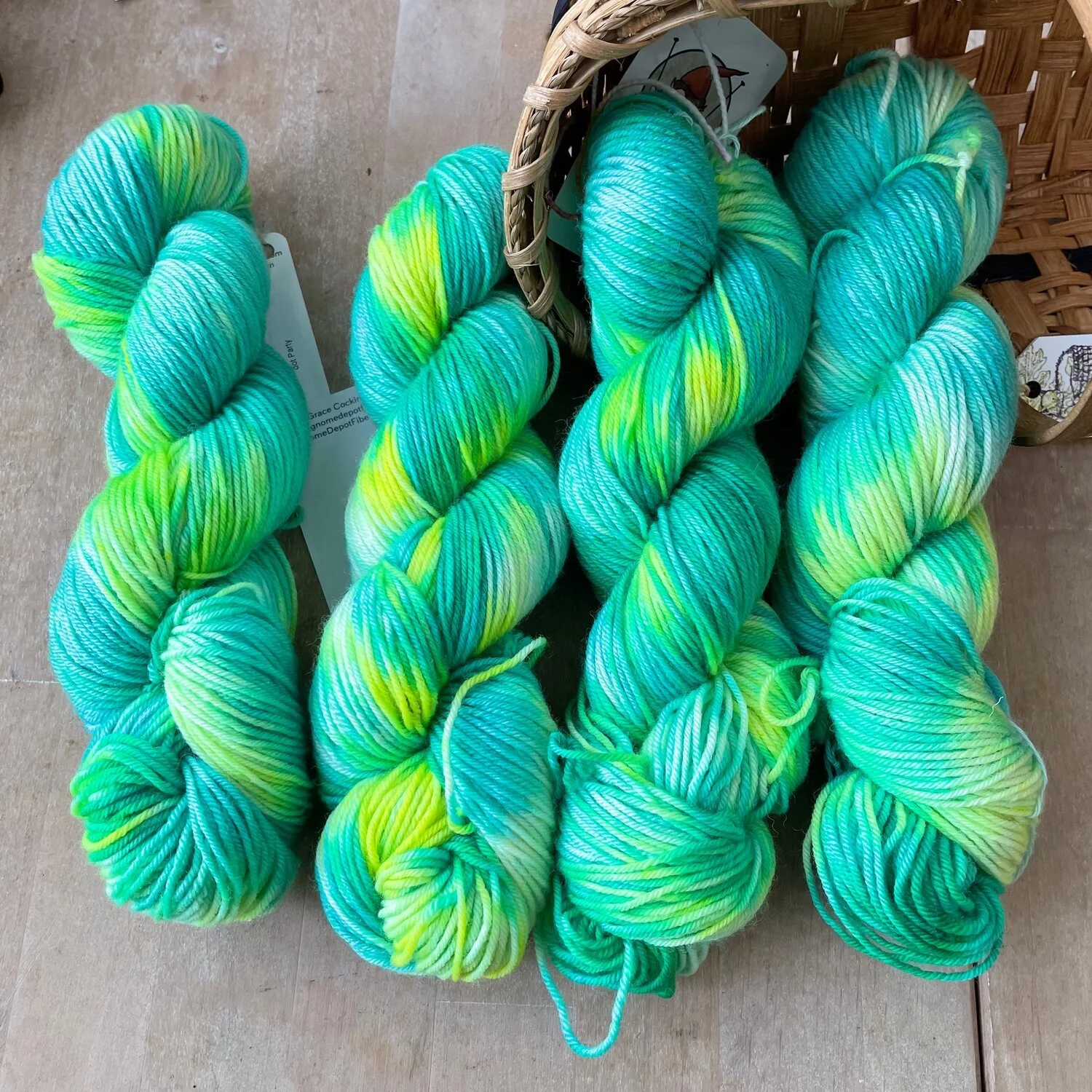
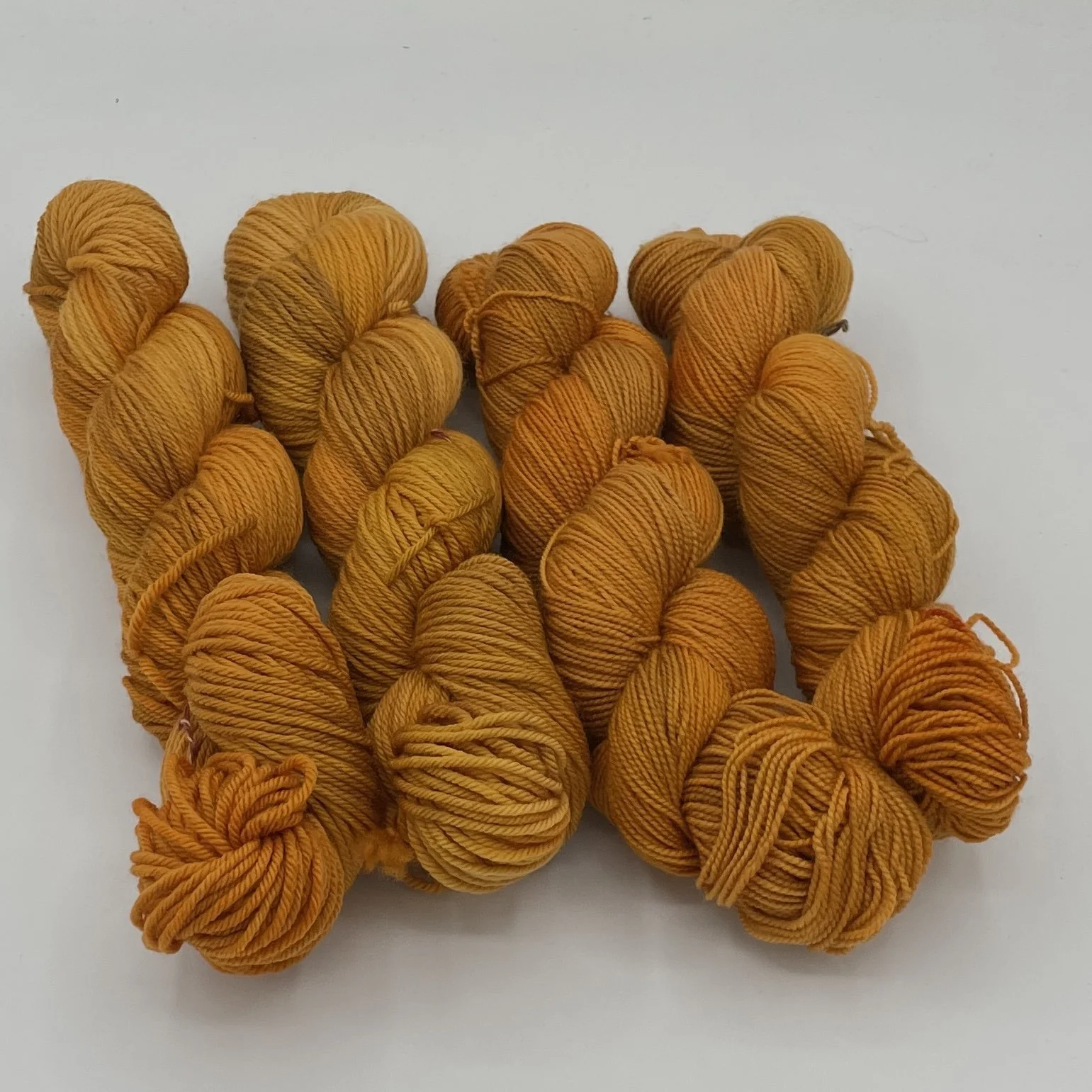
More Gnome Depot & Portobello Bulky color inspiration
Sometimes the fastest way to pick yarn is to see the palette. Here are a few more snapshots of the range—from earthy to electric.
FAQ
Do you carry Gnome Depot yarn at AriYARN year-round?
We keep a curated selection that can rotate as new colors arrive and popular shades sell through. For what’s available right now, the most accurate view is to Shop our online store.
Is Gnome Depot better for knitting or crochet?
Both. The key is matching the colorway to your stitch pattern. Simple stitches show color clearly; textured stitches break up pooling and can make high-contrast blends feel more balanced.
How do I avoid color pooling with hand-dyed yarn?
Pooling is normal with strong color shifts. Try a swatch first, then consider slip-stitch patterns, alternating skeins, or choosing a stitch pattern that interrupts long runs of the same color.
Should I buy all my skeins at once for a sweater?
Yes—if you can. Small-batch dye work can vary slightly between skeins, and a colorway may not be restocked quickly. Buying your full quantity together gives you the most consistent look.
Do you offer help choosing a weight or quantity?
Absolutely. If you have a pattern and size goal, we can help you estimate quantity and pick a weight that matches the drape and warmth you want. If you want us to set skeins aside, contact us for help / holds.
Is Stitch N’ Craft Night a class where I can get help?
It’s a social/community meetup (Thursdays 5–7 PM) for sharing progress and friendly peer feedback—not formal instruction. For guided learning and structured support, you’ll want our workshops & classes.
