
The Ultimate Guide to Amigurumi for Beginners | AriYARN Chicago
Everything You Need to Start Amigurumi with Confidence
Learn the best yarn, hook sizes, tools, finishing techniques, and beginner-friendly next steps for making polished amigurumi toys—plus where to shop local supplies, get project help, and take classes near Chicago and O’Hare.
Crucial note before you start: "Beginner amigurumi" is not the same as being a "beginner crocheter." Because amigurumi requires tight tension, working in a continuous spiral, and counting stitches accurately, you should learn and practice the fundamentals of crochet (like chaining and the basic single crochet stitch) before attempting your first 3D toy.
Amigurumi—the Japanese art of crocheting small, stuffed yarn creatures—is one of the most satisfying ways to move from simple stitches into sculptural crochet. Whether you want to make a tiny bumblebee, a nursery gift, a favorite character, or a playful desk companion, amigurumi lets you turn yarn into something with real personality.
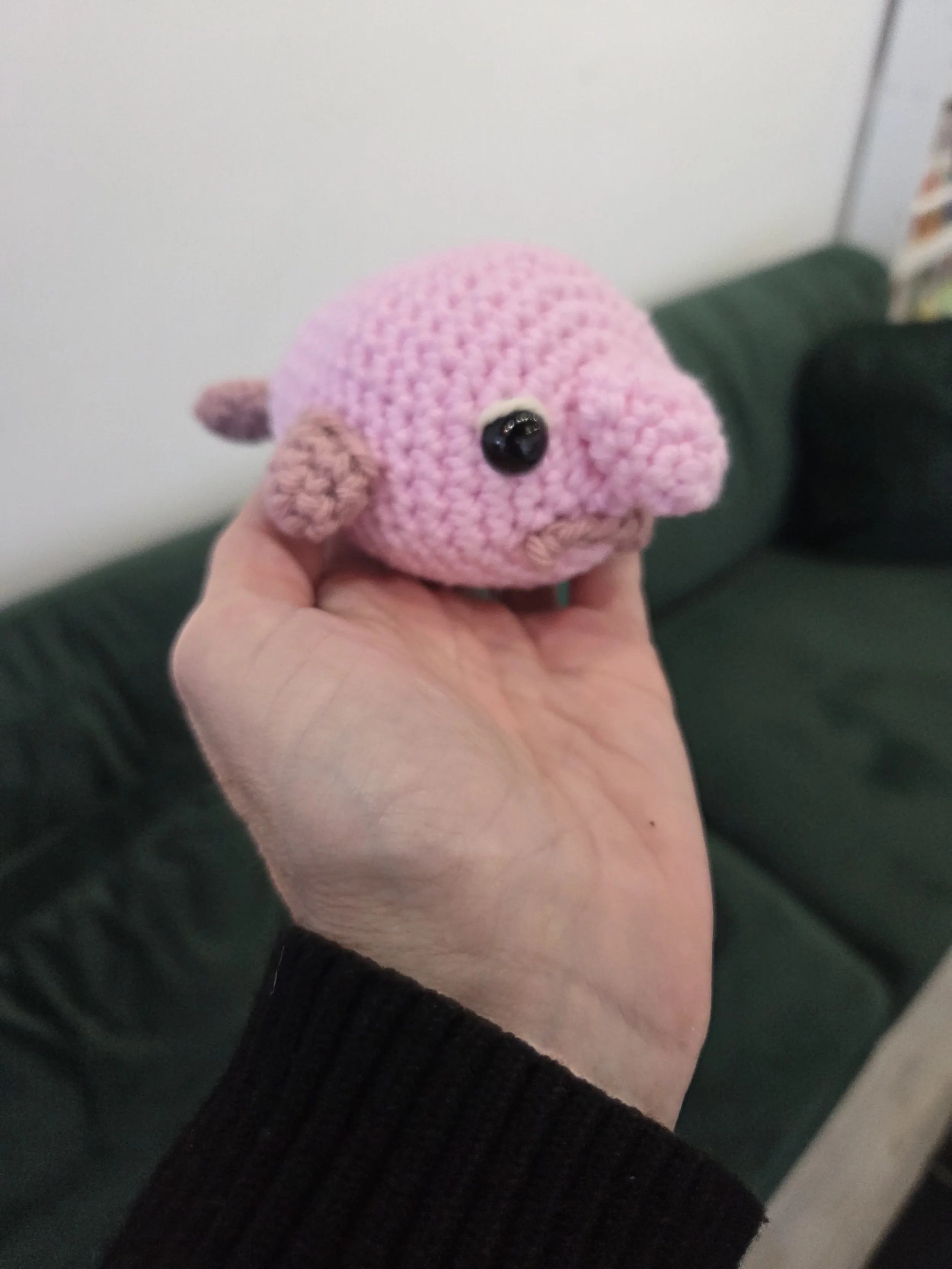
However, making the leap from flat scarves and dishcloths to tight, three-dimensional toys introduces a different set of rules. Because amigurumi depends on dense fabric, clean shaping, tight tension, and thoughtful finishing, beginners often struggle most when they start with the wrong yarn, oversized hooks, or missing notions.
This guide walks you through the essentials—best yarns, hook sizing, safety tips, stuffing fixes, and the magic ring—while also pointing you to helpful AriYARN resources like our online yarn and tool shop, classes and workshops, shop FAQs, and newsletter if you want local updates and beginner-friendly recommendations.
On this page
How fiber choice affects stitch definition, structure, and durability.
Why sizing down creates tighter, cleaner crochet fabric.
When to use safety eyes and when to switch to embroidery.
Three practical fixes that make toys look polished instead of gappy.
A simple method for closing the center cleanly and tightly.
Visit information, embedded map, and shop links for AriYARN in Park Ridge.
What is the best yarn for making amigurumi toys?
When crocheting a sweater, you often want softness, drape, and movement. When making amigurumi, stitch definition and structure matter more. You need a yarn that is easy to see, does not split constantly, and holds its shape well over time. If the fabric stretches too much, the white stuffing inside starts peeking through—and that is one of the fastest ways for a toy to look unfinished.
For these reasons, 100% cotton yarn—especially mercerized cotton—is widely considered the best all-around choice for amigurumi. Mercerized cotton has a smooth, slightly polished surface that helps your stitches look crisp and defined. It also resists fuzz better than many softer novelty fibers, which makes counting stitches and sewing parts together much easier.
If you are still learning how fiber affects finished projects, it is worth browsing AriYARN’s yarn brands page and online store so you can compare cotton, wool blends, tools, and kits in one place. If you prefer in-person help, our About page and Contact page can help you plan a visit to the shop.
Yarns with a heavy fuzzy halo—like mohair-forward blends, brushed fibers, or very fluffy unspun yarns—can make beginner amigurumi frustrating. The fuzz hides your stitch openings, which makes it much harder to see where to insert your hook accurately.
Fibers at a glance: the amigurumi comparison
| Fiber Type | Stitch Definition | Durability | Best Used For |
|---|---|---|---|
| Mercerized Cotton | Excellent (crisp & clear) | Extremely high | Beginners, clean toys, decorative pieces, polished gifts |
| Premium Acrylic | Good (slightly fuzzy) | Medium | Budget projects, practice pieces, oversized plushies |
| Superwash Wool | Fair to good | High | Textured animals, soft character pieces, cozy details |
Top beginner-friendly amigurumi yarn at AriYARN
- Adriafil Memphis: A stunning DK weight mercerized Egyptian cotton that provides the crisp stitch definition and durability that amigurumi demands.
- Universal Yarn Bamboo Pop: A fantastic DK weight blend that is smooth on the hands, easy to work with, and gives your finished creatures a lovely structure.
- Wool and the Gang Shiny Happy Cotton: If you prefer to work with a slightly thicker worsted weight yarn for faster projects, this Peruvian Pima cotton is an absolute joy to stitch with.
If you are still choosing between yarns, you may also like AriYARN’s guide to crochet kits for beginners, especially if you want a more curated “grab-and-go” setup instead of piecing a supply list together yourself.
How do I choose the right crochet hook size for amigurumi?
If there is one golden rule of amigurumi, it is this: size down your hook.
The hook size printed on a yarn label is usually meant for garments, accessories, or blankets where you want a softer, more flexible fabric. Amigurumi is different. For small stuffed toys, you generally want a hook that is one to two sizes smaller than the label recommendation so your stitches sit densely together and keep the filling inside.
That tighter fabric does three important things: it improves shape retention, reduces visible stuffing, and makes the finished toy look more intentional and refined. If you are not sure how your hook and yarn pairing should feel, a beginner-friendly class can shorten the learning curve fast—see AriYARN’s Classes & Workshops page or our guide to knitting and crochet classes near Chicago for help deciding what to try first.
The essential amigurumi tool kit
Because amigurumi is so tension-heavy and detail-driven, a standard crochet setup usually needs a few upgrades:
- Ergonomic crochet hooks: Tight crochet can tire your hands quickly. Hooks with comfortable grips—especially for longer sessions—can make a huge difference in tension control and comfort.
- Locking stitch markers: Since most amigurumi is worked in a continuous spiral, marking the first stitch of each round keeps your shaping accurate.
- Bent-tip tapestry needles: Essential for sewing on small parts like ears, wings, tails, and limbs without fighting tight stitches.
- Stuffing (Fiberfill or Yarn Scraps): Polyester fiberfill is the standard choice for a clean, washable, lightweight finish. However, an excellent, eco-friendly alternative is to save up the yarn scraps and clippings from your other projects and use them to stuff your toys!
- Small embroidery scissors: Helpful for trimming ends neatly during finishing.
Need help matching yarn, hook, and project? AriYARN also offers project rescue, private lessons, and yarn help if you would rather troubleshoot with a real person than guess your way through tension issues.
What are the best safety eyes for amigurumi and when should I avoid them?
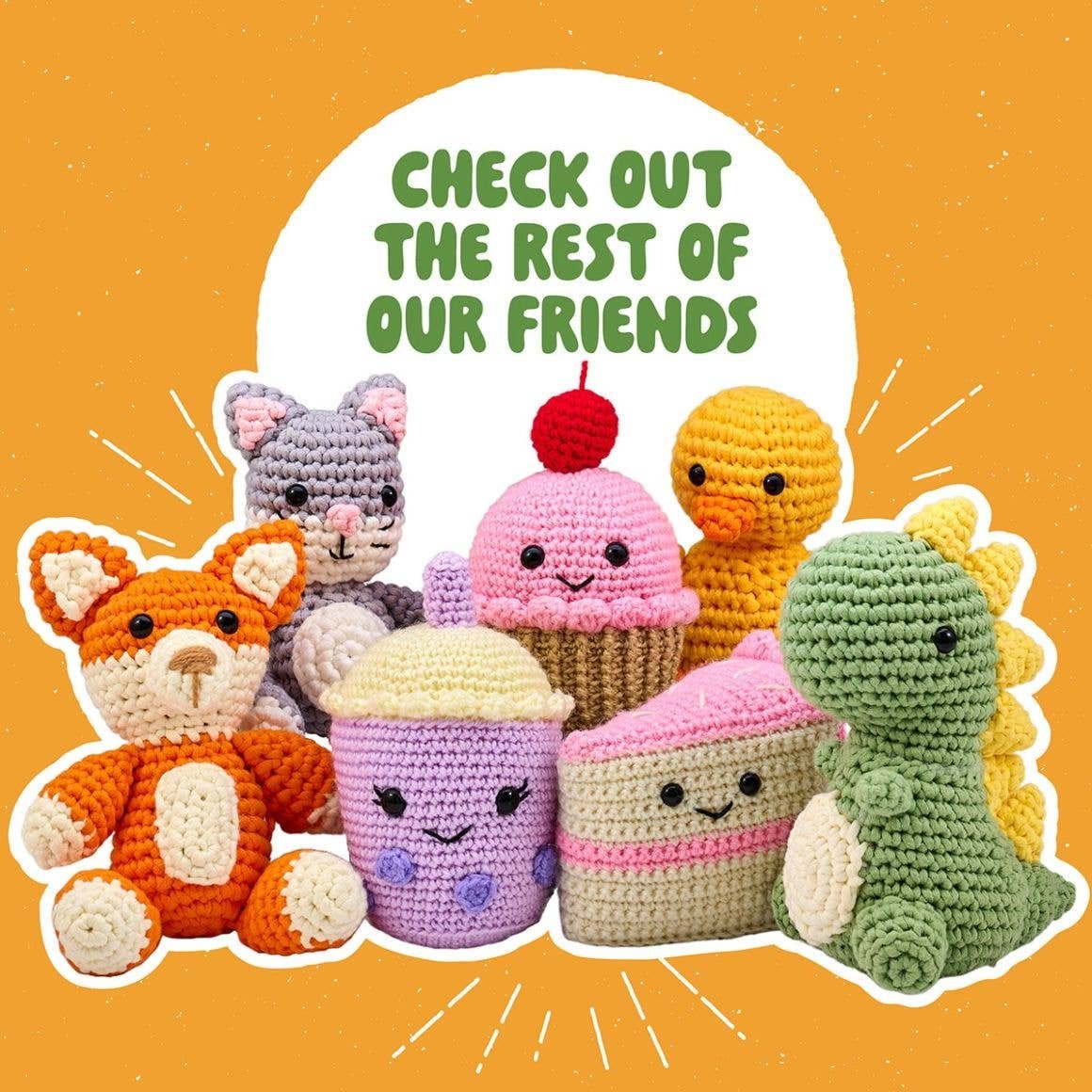
Safety eyes are glossy plastic eyes with ridged posts that push through crochet fabric and lock in place with washers on the inside of the toy. They give amigurumi that classic expressive, polished look—especially for animals, dolls, and playful character pieces.
Despite the name, safety eyes are not the best choice for toys intended for children under 3 years old. For baby gifts or toys likely to be chewed, pulled, or washed heavily, embroidered eyes are a safer option.
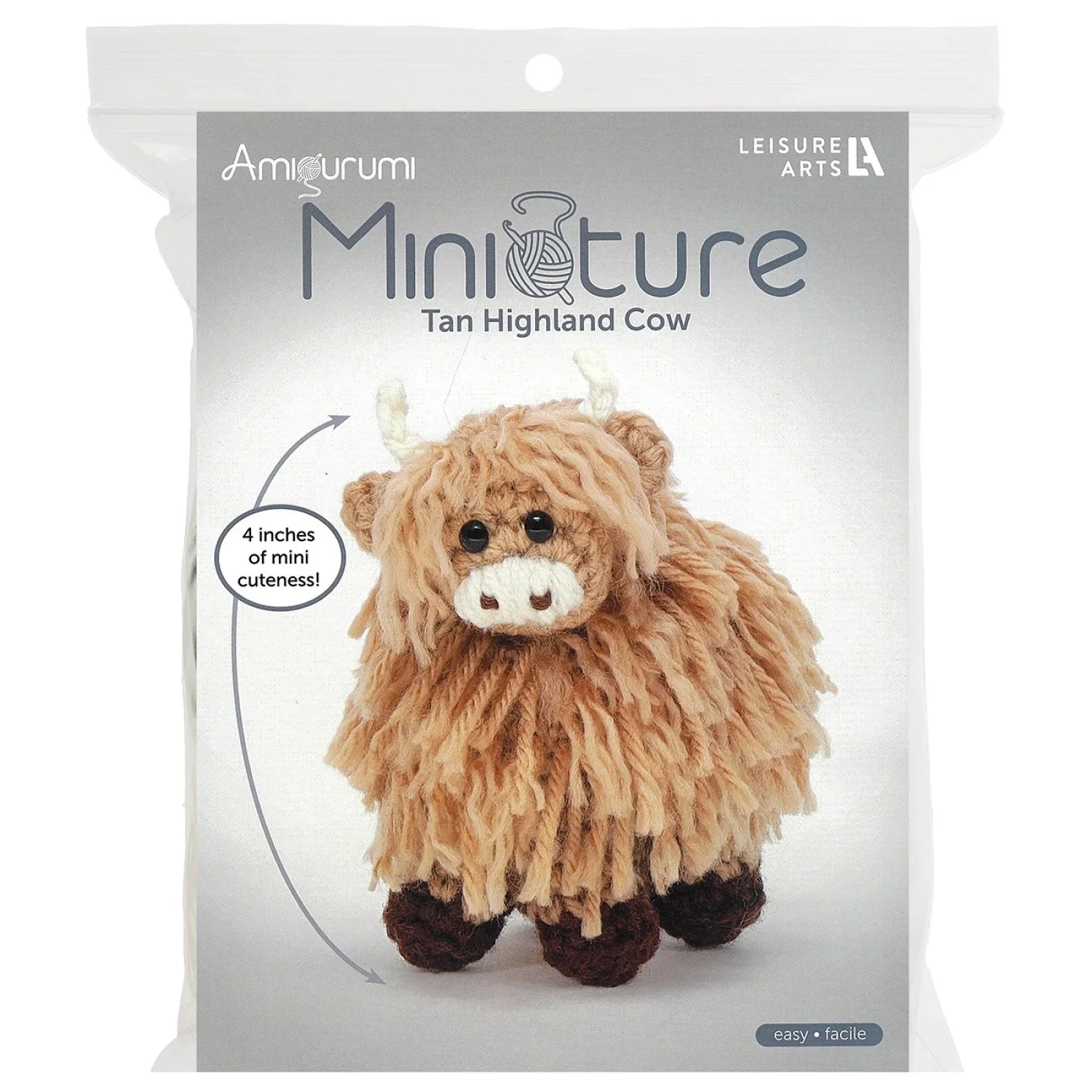
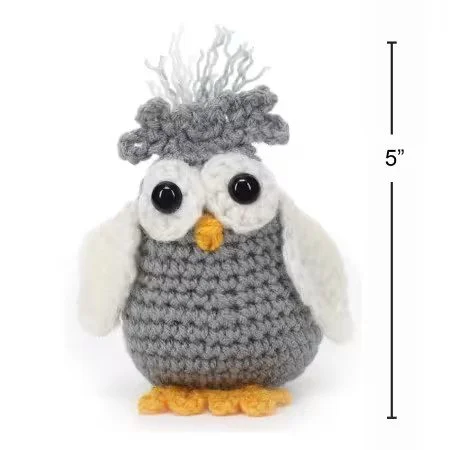
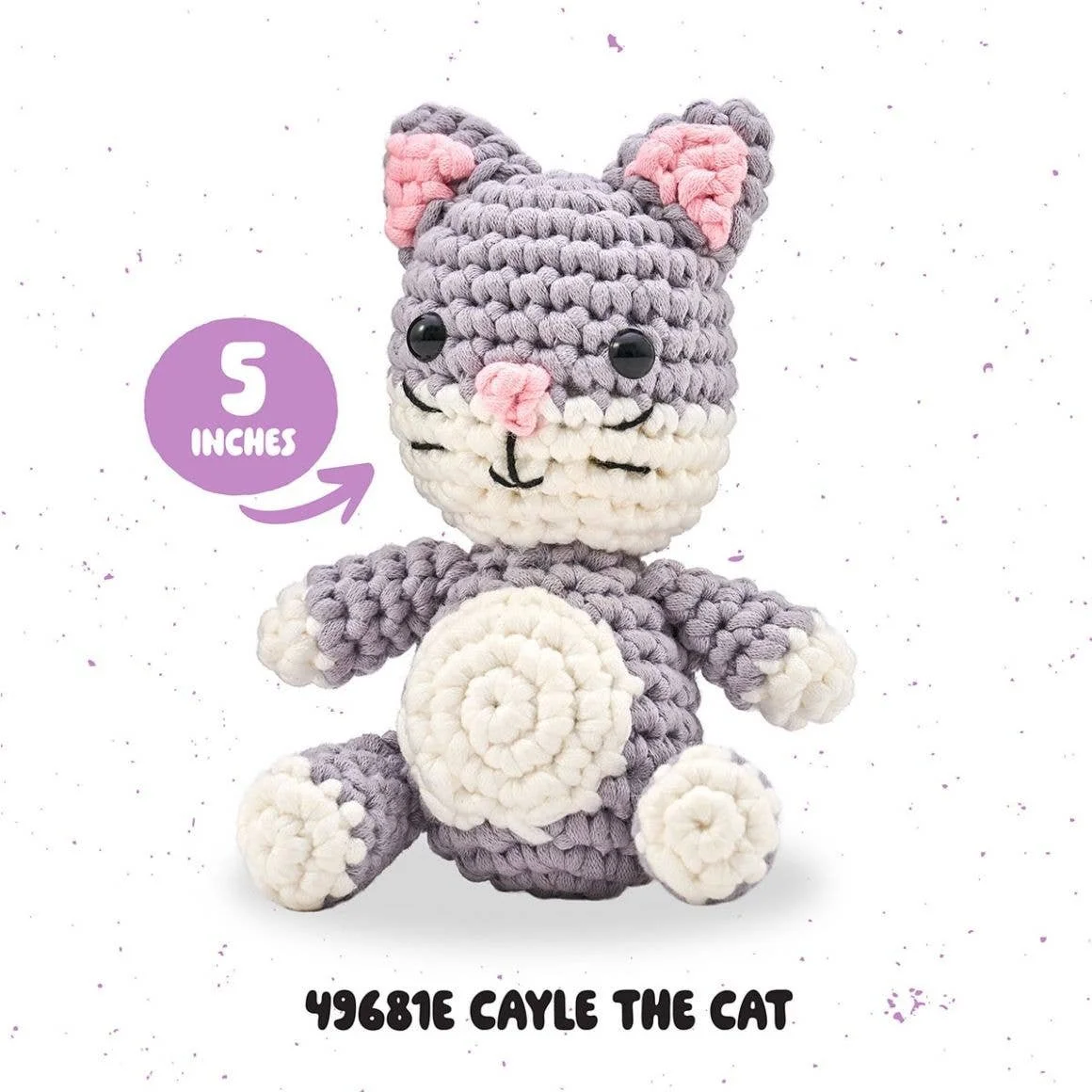
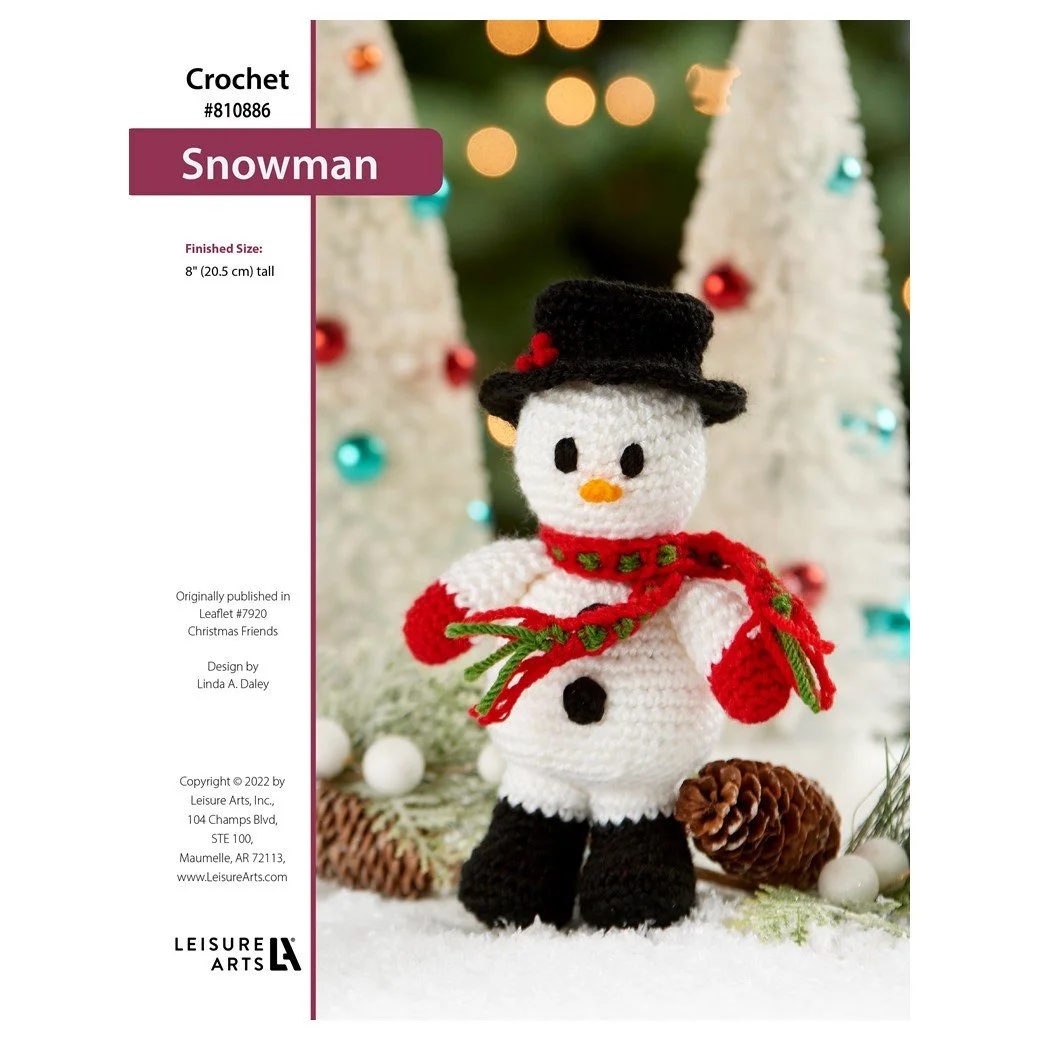
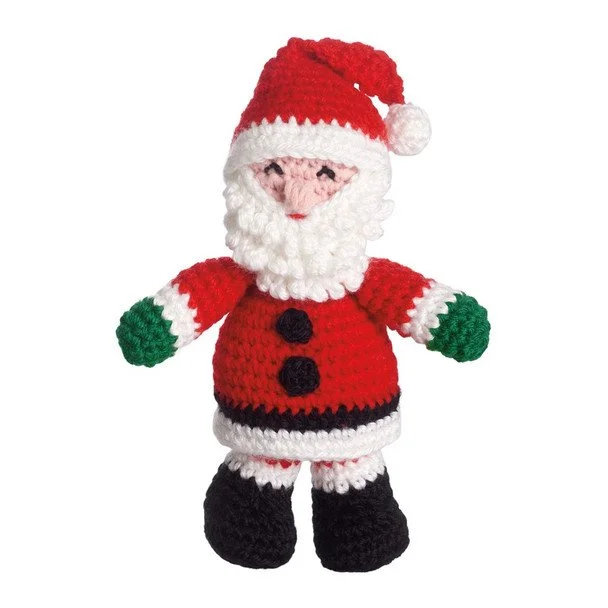
Safety eyes come in millimeters (typically ranging from 6mm for tiny creatures up to 15mm+ for large plushies). If you are looking to build your first amigurumi project, a complete kit is often the easiest way to get everything you need in one box. You can browse our selection of beginner-friendly kits online or at our Park Ridge studio to find the perfect character to start with.
For broader beginner support, you can also pair your materials with AriYARN’s starter crochet kit guide or browse current workshops if you want hands-on help with assembly and finishing.
How do I stop my amigurumi stuffing from showing through the stitches?
Visible stuffing is one of the most common beginner frustrations in amigurumi. The good news is that it is usually fixable with technique adjustments rather than starting over completely. If your toy looks gappy, try these three changes:
- Size down your hook again: If you already went down from the yarn label recommendation and still see gaps, your natural tension may be looser than average. Go down another half or full size and test a small swatch in the round.
- Use the invisible decrease: Standard decreases can leave little holes. The invisible decrease pulls the fabric together much more cleanly by working only through the front loops of the next two stitches before completing the stitch.
- Try a yarn-under single crochet: Many amigurumi makers prefer yarn-under because it forms a tighter, more squared-off stitch shape. This can dramatically improve density and visual consistency.
If your toy is mostly finished but still looks loose in places, try using slightly less stuffing and distributing it more evenly. Overstuffing can push stitches apart and exaggerate gaps.
If your stitches still feel inconsistent, AriYARN’s project rescue and private lesson page is a strong next step. Sometimes ten minutes with the right person is faster than rewatching three hours of tutorials.
The Magic Ring step-by-step guide
Almost every amigurumi pattern starts with a magic ring (or magic circle) because it lets you pull the center completely closed. That tight start matters for toys—you do not want a visible hole at the top of a head, limb, or small round motif.
It takes a little practice, but once it clicks, the magic ring becomes second nature:
- Drape the yarn across your left hand and wrap it around your first two fingers to make an “X.”
- Insert your hook under the lower strand of the X and grab the upper strand.
- Pull that strand underneath to form a loop on your hook.
- Chain 1 to secure the ring.
- Work the required number of stitches directly into the center ring, crocheting over both the loop and the yarn tail.
- Pull the tail firmly to cinch the ring closed.
If the magic ring feels fiddly at first, that is normal. Many beginners do better when they learn it in person and then repeat it at home. AriYARN’s crochet classes and local guide to classes near Chicago are useful if you want someone to check your hand position and show you how tight the starting loop should really be.
If you absolutely need an alternate start, you can chain 2 and work all your starting stitches into the first chain. It is not as invisible as a true magic ring, but it can work when you need to keep moving.
Where can I buy amigurumi kits and supplies near Chicago?
If you are searching for amigurumi supplies near Chicago, Park Ridge, O’Hare, Des Plaines, or the northwest suburbs, shopping local gives you advantages that online-only browsing cannot. You get to feel the yarn, compare hook grips, check safety eye sizes in person, and ask questions before you buy.
At AriYARN Shop & Studio, we carry yarn, hooks, notions, kits, and project help in one place. That means you can build your own beginner setup, browse giftable kits, or come in with a pattern and get help choosing a better yarn for it. If you want to explore online first, start with the shop. If you are learning and want structure, head to Classes & Workshops. If you prefer to plan around your visit, use the Contact page or FAQs.
Visit AriYARN Shop & Studio
Address:
153 N Northwest Hwy
Park Ridge, IL 60068
Why visit in person?
You can compare colors, test hook comfort, build a starter kit, and get help choosing yarns for amigurumi, classes, gifts, or project rescue.
Great for first-timers
See and feel yarn before you buy, then leave with a better-matched hook, stuffing, and notions list.
Easy local stop
Convenient for Park Ridge, Des Plaines, Niles, Chicago-area makers, and visitors coming through O’Hare.
More than supplies
Need help with a stuck project? Explore project rescue or join a workshop.
Plan ahead
Use FAQs for shop basics, newsletter signup for updates, and Brands to preview what AriYARN carries.
Tip: If you are building your first amigurumi toolkit, it can help to start with a kit or pattern, then match your yarn, hook, markers, needle, stuffing, and finishing supplies all at once.
Best next step, depending on how you like to learn
I want to shop supplies now
Browse yarn, hooks, tools, kits, and gift ideas online, then choose shipping or local pickup.
Go to the AriYARN store →I want hands-on guidance
Book a beginner-friendly crochet class or workshop and learn with real-time support.
Browse classes & workshops →I’m stuck on a project
Need help fixing tension, reading a pattern, or sewing parts together? Start with project rescue support.
Get crochet help →I want updates and inspiration
Stay in the loop on yarn arrivals, beginner-friendly events, workshops, and shop news.
Join the newsletter →